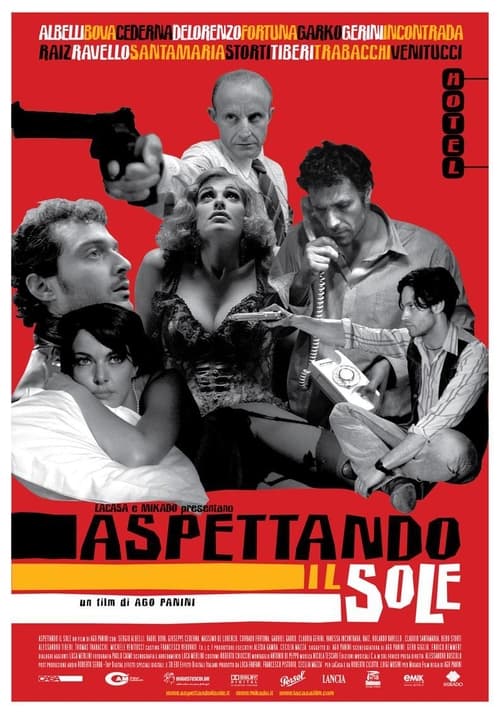
Aspettando Il Sole
2008
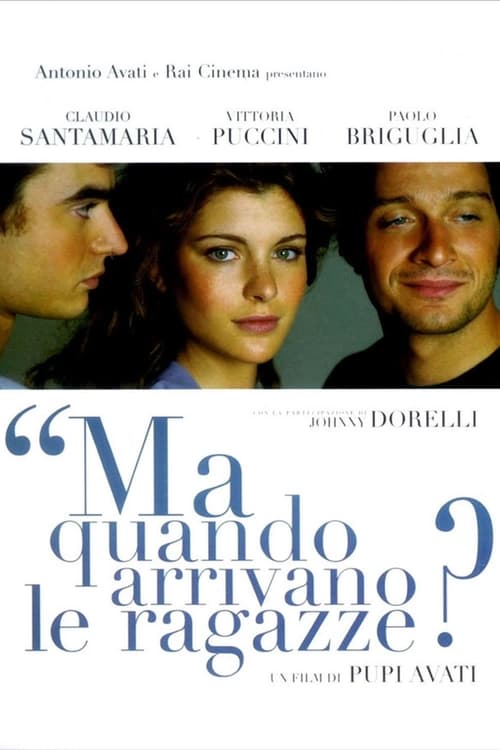
No user ratings available yet
Representation score: 4.3 out of 10
Representation Score
Limited
2005
Director
Pupi Avati
Runtime
106 minutes
Average Rating
No ratings yetNew Showbiz Analysis
Pupi Avati’s film is a nostalgic period piece that prioritizes sentimental realism and regional authenticity. While it succeeds in offering a meaningful female perspective by centering the experiences of young girls, it remains deeply rooted in the social structures of its 1960s setting. The film lacks modern multi-layered diversity, adhering to the historical homogeneity of a rural Italian village. This results in a narrative that reinforces traditional social norms and conventional romantic frameworks rather than challenging them. Ultimately, the work functions as a character-driven study of youth and community, favoring historical accuracy and traditional values over sociopolitical deconstruction.
Category Breakdown
The film focuses on conventional adolescent romance and does not include characters with non-binary gender identities or narratives that challenge established social norms. It lacks diverse LGBTQ+ representation.
The narrative centers on the social hierarchies and internal lives of young girls, providing a nuanced look at their experiences and friendships. This challenges the typical male-centric gaze found in many films.
The cast is predominantly white, reflecting the demographic of a 1960s rural Italian village. The film prioritizes historical and geographic authenticity over diverse casting.
The story emphasizes traditional Western values and Catholic social influence. It uses a coming-of-age lens rather than providing an anti-institutional or anti-capitalist critique.
There is no evidence of characters with visible or invisible disabilities serving as central plot devices or possessing specific ability to act.
Present on Screen
Limited or Absent
Official Synopsis
In 1994, Gianca and Nick, two twenty-year-olds from Bologna, met in Perugia during a workshop for young musicians at Umbria Jazz. Both dreamed of making it big in the entertainment world. Nine years later, the two would meet again at Nick's big concert at the Teatro Comunale in Bologna, which Gianca, a confused member of the audience, watched, shocked and moved.
2008
2006

2005

1975
1995

1963

1999
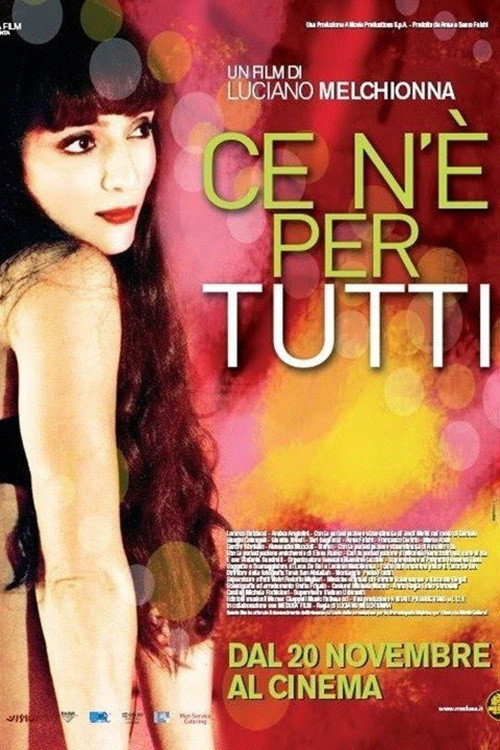
2009
No reviews yet. Be the first to share your thoughts on this movie!
Use the rating form above to leave a star rating and optional review.