The Virgin Soldiers
1969
No user ratings available yet
Representation score: 3.2 out of 10
Representation Score
Minimal
1961
NRDirector
Leslie Norman
Runtime
110 minutes
Average Rating
No ratings yetNew Showbiz Analysis
The film is a traditional character study set in mid-20th century Britain. It centers on the psychological pressures faced by soldiers during wartime and the tension between individual morality and institutional duty within a strict military framework. The narrative lacks complexity in terms of diverse representation and cultural perspectives, maintaining a narrow focus on a homogeneous cast and Western-centric themes.
Category Breakdown
The film portrays an all-male military unit typical of the early 1960s. There are no representations of LGBTQ+ identities or same-sex relationships.
The story revolves around a closed male environment where women have no significant roles. It emphasizes the power dynamics among male characters within a patriarchal military setting.
The cast is made up of white British soldiers with no apparent diversity. A Japanese prisoner appears briefly but does not contribute to a deeper understanding of racial diversity.
The storyline explores the breakdown of military discipline and honor through personal greed. It highlights the importance of unit cohesion and Western military ethics without delving into cultural or moral relativism.
There are no characters with visible or invisible disabilities. The film focuses solely on the military utility of its characters, excluding any perspectives related to neurodiversity or physical disabilities.
Present on Screen
Limited or Absent
Official Synopsis
Based on a play by Willis Hall. A troop of British soldiers are out in the jungle to record jungle noises and troop noises in the jungle so that the recordings can be played back by other troops to divert the enemy to their whereabouts. As they progress to what they think is closer to the base camp they find themselves farther and farther from radio range until the only channel they can get clearly is that of a Japanese broadcast. They now realize they are probably only 10 to 15 miles from a Japanese camp! The tension is added to by rowdy and openly admitted "non-hero" Private Bamforth who has nothing good to say about anyone and especially Corporal Johnstone (who holds an equal dislike for Bamforth). When a Japanese soldier is taken as their prisoner, the true colours of each man comes to the surface
1969
1965
1964
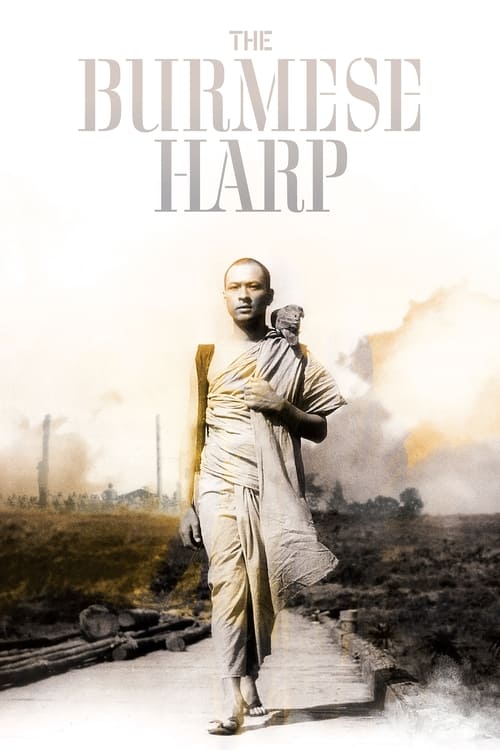
1956
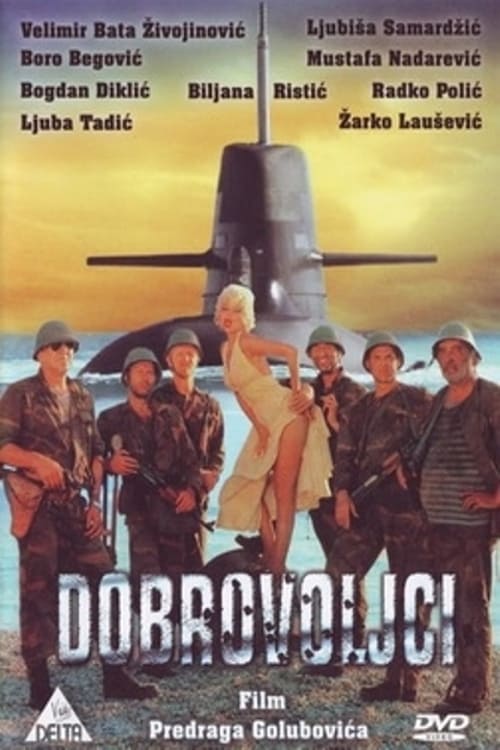
1986

1983
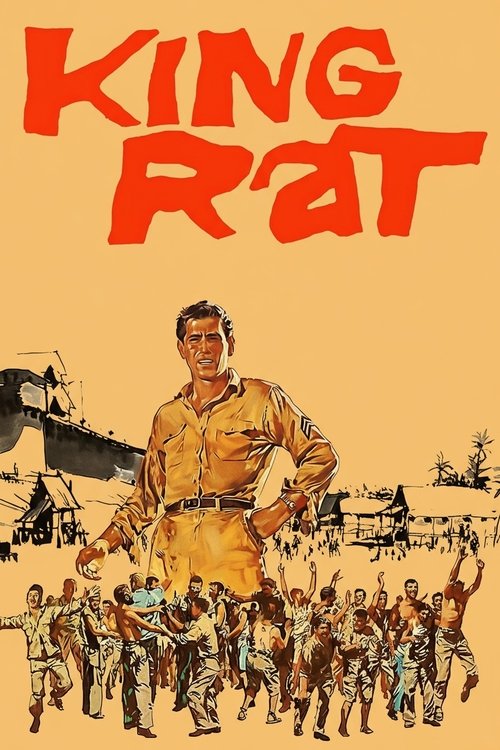
1965
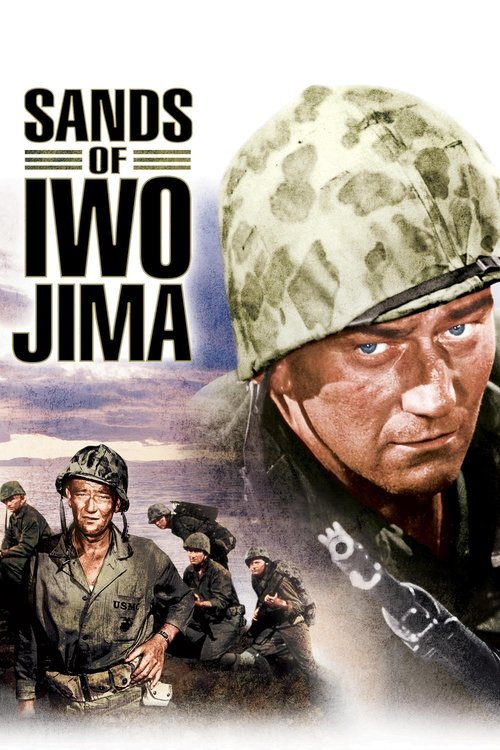
1950
No reviews yet. Be the first to share your thoughts on this movie!
Use the rating form above to leave a star rating and optional review.