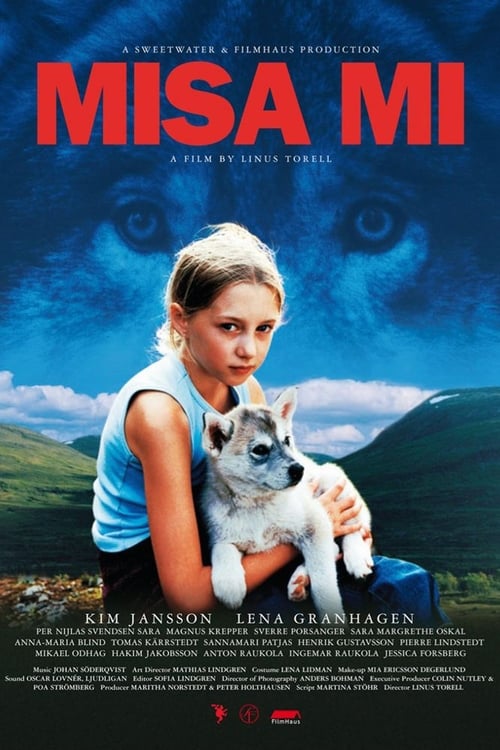
Misa Mi
2003
No user ratings available yet
Representation score: 2.5 out of 10
Representation Score
Limited
2002
Director
Morten Køhlert
Runtime
93 minutes
Average Rating
No ratings yetNew Showbiz Analysis
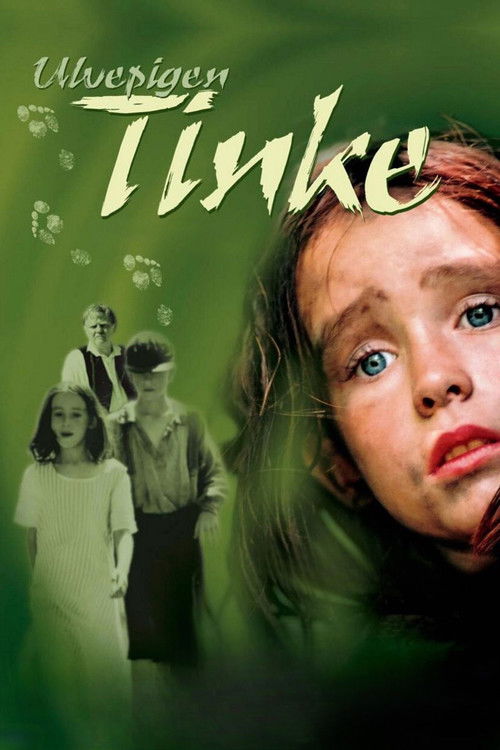
Tinke the Wolfgirl is portrayed in a traditional family drama that upholds established social hierarchies. Although the protagonist exhibits remarkable independence, the narrative ultimately aims to reintegrate her into a conventional domestic setting. The film lacks complexity in its portrayal of social issues, focusing instead on the tension between a wild existence and structured societal norms. This move towards domesticity reinforces traditional roles without challenging them. Overall, the film offers a stable but narrow perspective on social integration, lacking significant racial, cultural, or LGBTQ+ depth.
Category Breakdown
The film focuses on platonic friendships and family integration. There is no evidence of non-straight relationships or same-sex intimacy.
Tinke is a female protagonist who initially shows strong independence and survival skills. However, her story ends with her moving from a position of independence to a more traditional, dependent role within a household.
The film follows a conventional, homogeneous narrative structure. It does not include diverse casting or non-Anglo-Saxon metaphors.
The story explores themes of survival and the loss of parental guidance. The resolution emphasizes the traditional family unit as the main stabilizing social institution.
There is no specific mention of physical or neurodivergent disabilities. Tinke's feral state lacks enough detail to be considered intentional disability representation.
Present on Screen
Limited or Absent
Official Synopsis
While out and about tending to his herd, young shepherd Larus meets a mysterious little girl named Tinke. Quickly realizing that the girl is alone, Larus brings Tinke some food and slowly builds a friendship with her. Tinke, whose parents died within the past year, has managed to survive by her own devices in the wild and has hence become quite feral. Larus convinces Tinke to come to his home so that his parents can take care of her
2003

2021
1976

2018
1972
2015
1972

2005
No reviews yet. Be the first to share your thoughts on this movie!
Use the rating form above to leave a star rating and optional review.