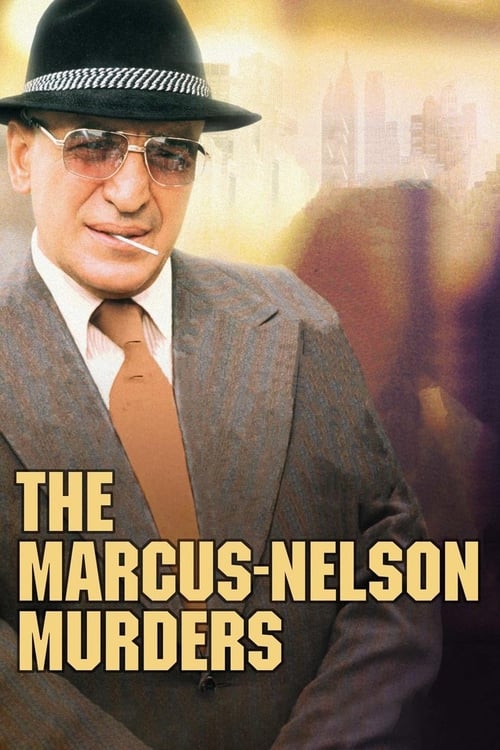
The Marcus-Nelson Murders
1973
No user ratings available yet
Representation score: 3.1 out of 10
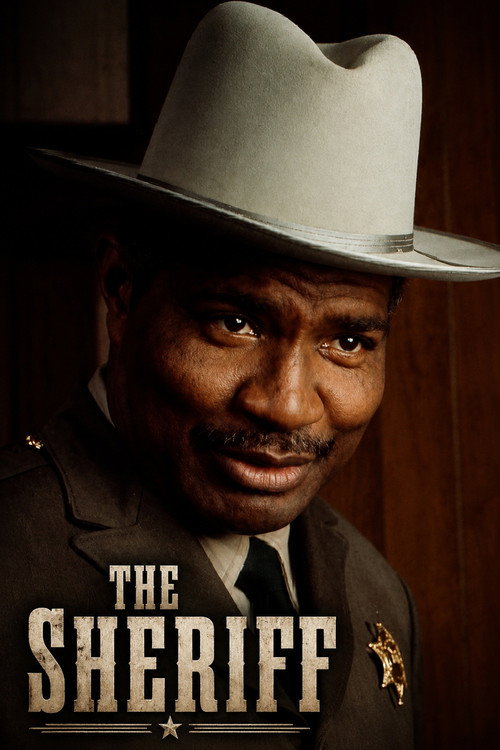
Representation Score
Fair
1971
Director
David Lowell Rich
Runtime
73 minutes
Average Rating
No ratings yetNew Showbiz Analysis
The film stands out for its era-specific attempt to address racial justice through a crime drama. By placing a Black man in a position of institutional power, the film challenges the standard social hierarchies of the 1970s. However, the film remains limited by the traditional gender roles of its time. The investigation is driven by male authority figures, and the narrative lacks representation for LGBTQ+ identities or characters with disabilities. Ultimately, the film's strength lies in its systemic critique. It uses a high-stakes investigation to expose the tension between racial identity and the influence of wealthy, white-dominated local institutions.
Category Breakdown
The film does not include any explicit LGBTQ+ characters or narratives. The story primarily explores racial and class-based tensions within the town.
The story revolves around a male-dominated power structure involving the Sheriff and his deputy. Although a female character triggers the investigation, the main ability to act and control remain with the male protagonists.
The film features a Black sheriff in a position of authority, which challenges period stereotypes by pitting a Black officer against a wealthy white businessman.
The narrative critiques traditional social hierarchies and the protection of local elites. It uses a racialized crime to challenge the stability of small-town social orders and systemic accountability.
There is no documented evidence of physical or neurodivergent disabilities being portrayed in this film.
Present on Screen
Limited or Absent
Official Synopsis
A rape case opens racial divisions in a small town. A black sheriff and his white deputy investigate allegations that a wealthy white businessman raped a black college student.
1973
1950
1970
1984
1974
1997
1970

1967
No reviews yet. Be the first to share your thoughts on this movie!
Use the rating form above to leave a star rating and optional review.