Behind the Wall
2008
No user ratings available yet
Representation score: 2.5 out of 10
Representation Score
Limited
2012
Not RatedDirector
Richard Turke
Runtime
100 minutes
Average Rating
No ratings yetNew Showbiz Analysis
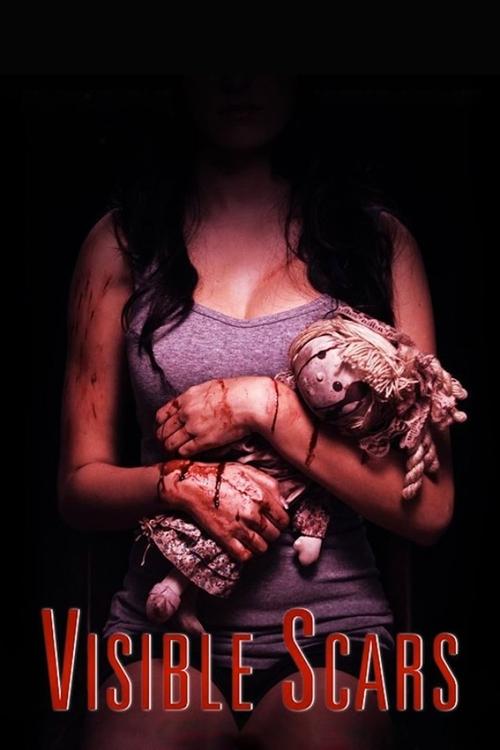
Visible Scars operates within the conventional boundaries of the psychological horror genre. While the protagonist Stacy shows resilience by attempting to escape domestic abuse, the film's framework remains rooted in traditional gendered conflicts and the assumption that everyone is straight. The production lacks visible racial, LGBTQ+, or disability-based representation. The narrative focuses on a localized, homogeneous story of survival in a secluded setting, offering little depth on multiple aspects of identity and community. Ultimately, the film functions as a standard genre piece. It prioritizes individual psychological trauma over a diverse or subversive exploration of identity and community.
Category Breakdown
The story centers on a heterosexual domestic tragedy. There is no evidence of non-cisgender identities or critiques of the assumption that everyone is straight.
Stacy demonstrates strength by fleeing an abusive partner. However, the film relies on traditional horror clichés that position female characters as victims of supernatural forces.
The narrative follows a homogeneous structure typical of secluded-cabin horror. There is no indication of a diverse cast or multicultural character depth.
The film explores systemic dysfunction within a family unit and individual isolation. It lacks explicit engagement with broader secular or anti-Western cultural critiques.
There is no evidence regarding the portrayal of physical or neurodivergent disabilities. The ghosts function as supernatural elements rather than representations of lived disability.
Present on Screen
Limited or Absent
Official Synopsis
Years ago, Mike killed the new mother of twin girls and took the babies to a house in the woods, claiming them as his own to appease his wife's desire for kids. 10 years later, Stacy flees to her uncle's old secluded cabin in those same woods to escape her abusive boyfriend. There, she is haunted by the ghosts of the little girls crying for their mother.
2008
2007
2009
2012
2017
2007
2015
2021
No reviews yet. Be the first to share your thoughts on this movie!
Use the rating form above to leave a star rating and optional review.