
Call Girl
2007
No user ratings available yet
Representation score: 3.3 out of 10
Representation Score
Limited
1996
Director
Carlo Vanzina
Runtime
100 minutes
Average Rating
No ratings yetNew Showbiz Analysis
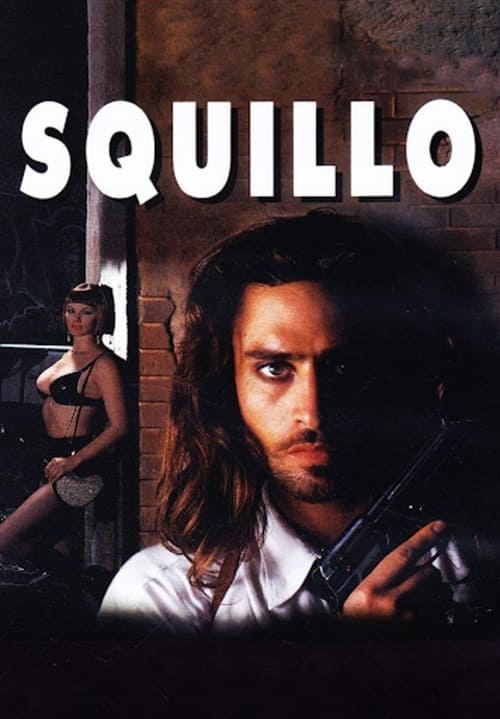
Squillo is a genre-driven thriller that emphasizes a conventional mystery framework over social disruption. While it avoids outdated formulas by giving the female lead investigative ability to act, it stays within traditional narrative structures. The film introduces ethnic diversity through the inclusion of a Polish immigrant character, highlighting the contrast between provincial and metropolitan lifestyles. However, it does not delve deeply into complex racial dynamics. Overall, the film lacks LGBTQ+ representation and does not challenge established social hierarchies, resulting in conventional character roles.
Category Breakdown
The film follows traditional structures focused on heterosexual relationships and the bond between a female protagonist and a male inspector.
Maria transitions from a passive role to an active investigator, driving the plot through undercover work. Female characters gain intellectual and physical ability to act in dangerous situations.
The inclusion of Maria, a Polish immigrant, adds ethnic diversity to the Milanese setting. However, the focus remains on socio-economic differences rather than exploring complex racial dynamics.
The story examines moral ambiguity by breaking down social facades and professional identities. It functions as a typical genre thriller without critiquing Western or religious institutions.
The narrative does not address characters dealing with physical, neurodivergent, or mental health disabilities.
Present on Screen
Limited or Absent
Official Synopsis
Maria, a provincial Polish girl, travels to Milan to pay her older sister Eva a surprise visit. The sisters haven't seen each other in seven years and Eva has changed a lot. She lives in a luxurious apartment and dresses in designer clothes. Although she pretends to be an interpreter, Eva is actually a call-girl and, one night, fails to return from an appointment. Maria enquires at the hotel where Eva last worked. Eva's body is soon found. The investigation is conducted by Inspector Messina, a trendy cop. Maria and Messina become an inseparable investigating team. Maria poses as a call-girl in order to reveal her sister's killer and they use mobile phones to keep in touch.
2007

2007

1998
1985

2022

1987

1995

2002
No reviews yet. Be the first to share your thoughts on this movie!
Use the rating form above to leave a star rating and optional review.