Umjolo: Day Ones
2024
No user ratings available yet
Representation score: 5.5 out of 10
Representation Score
Fair
2021
TV-MADirector
Thabang Moleya
Runtime
99 minutes
Average Rating
No ratings yetNew Showbiz Analysis
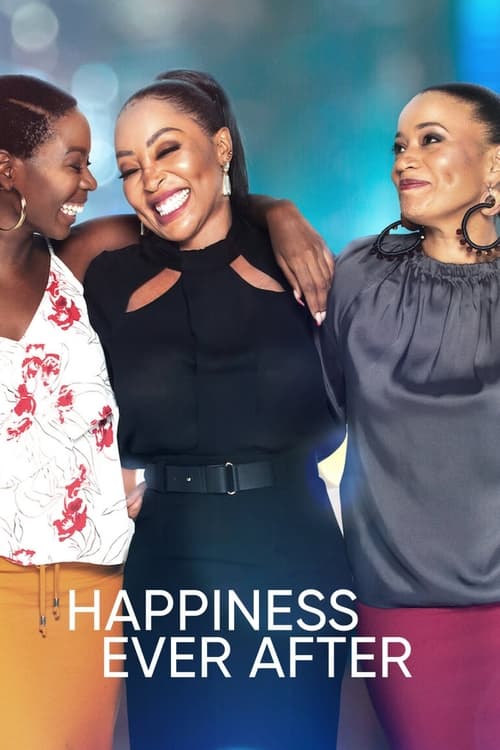
Happiness Ever After stands out as a culturally specific drama centered around Black female empowerment. By highlighting characters like Zaza, Princess, and Zim, the film moves away from traditional patriarchal narratives to explore emotional and social independence. The production excels in racial representation, featuring an African cast that challenges Western-centric norms in the romance genre. This provides a meaningful sense of empowerment for characters of color within the main storyline. However, the film lacks clarity regarding LGBTQ+ identities and disability representation. While the genre allows for diverse relationship explorations, the absence of confirmed queer themes or characters with disabilities narrows the scope of its inclusivity.
Category Breakdown
The film touches on new love and family conflicts but does not confirm any non-straight relationships. While the romance genre allows for various relationship types, there is no clear indication of LGBTQ themes.
The story highlights female characters dealing with loss and new beginnings. This emphasis on women's ability to navigate life changes showcases their strength and resilience.
The film features a predominantly Black and African cast, including actors like Renate Stuurman and Khanyi Mbau. This focus on African identities challenges Western-centric norms in the romance genre.
The film emphasizes localized social structures and intricate family dynamics rather than Western nuclear family models. It explores personal truths within specific cultural contexts and community changes.
There is no explicit mention of characters with visible or invisible disabilities. Therefore, no assessment can be made regarding disability representation.
Present on Screen
Limited or Absent
Official Synopsis
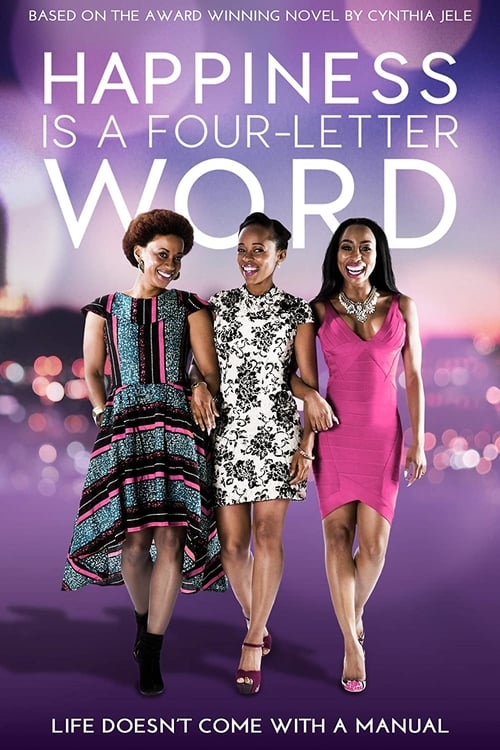
This sequel to "Happiness is a Four-Letter Word" finds Zaza, Princess and Zim living new chapters of their lives amid loss, family grudges and new love.
2024
2007
2022

2016
2016
2014
2024
2014
No reviews yet. Be the first to share your thoughts on this movie!
Use the rating form above to leave a star rating and optional review.