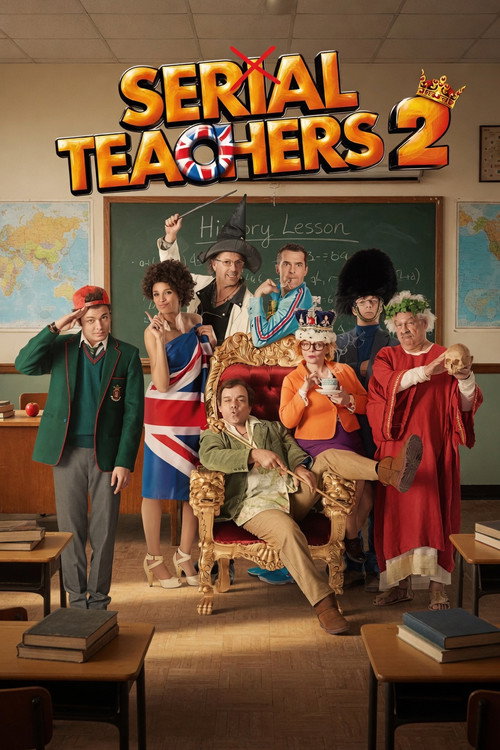
Serial Teachers 2
2015
No user ratings available yet
Representation score: 4.9 out of 10
Representation Score
Fair
2013
Director
Pierre-François Martin-Laval
Runtime
88 minutes
Average Rating
No ratings yetNew Showbiz Analysis
Serial Teachers operates as a conventional mainstream comedy, prioritizing situational chaos and slapstick humor over intentional social commentary. While the setting of a struggling French public school provides a backdrop for demographic variety, the film lacks a deep exploration of overlapping identities based on different aspects of diversity. The narrative structure relies heavily on established genre clichés. It focuses on the friction between authority and rebellion rather than deconstructing systemic hierarchies or promoting diverse perspectives. Ultimately, the film captures a specific socio-educational environment without using it to challenge traditional social structures or provide significant representation for underrepresented groups.
Category Breakdown
The film focuses on chaotic interactions between faculty and students. Romantic subplots follow conventional patterns without actively challenging typical assumptions about relationships.
The plot centers on institutional struggles and professional incompetence. It relies on traditional comedic clichés rather than subverting gender hierarchies or masculinity.
The setting in a low-performing French public school suggests a diverse student body. However, it is unclear if characters of color have meaningful roles in driving the story.
The narrative critiques educational standards through a comedic lens. It uses standard clichés of ineffective authority rather than deconstructing systemic Western institutions.
There is no indication of characters with visible or invisible disabilities. Neurodivergence and physical disabilities appear absent from the central character drivers.
Present on Screen
Limited or Absent
Official Synopsis
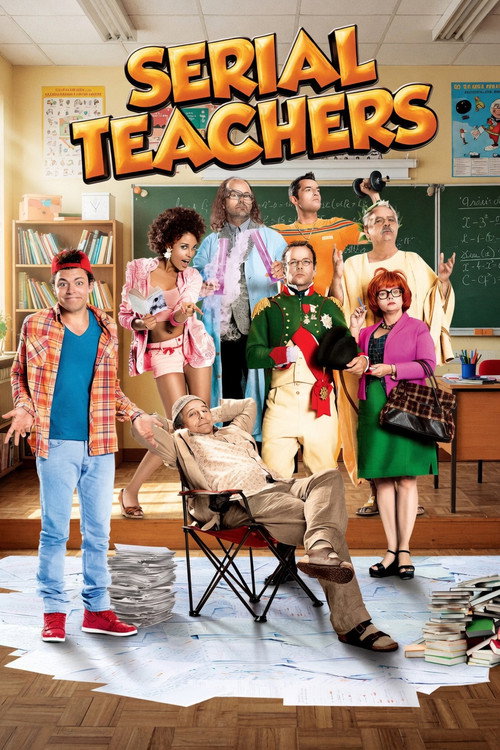
With only 12 percent of its pupils obtaining their baccalaureate, Jules Ferry High School is the worst school in France. The Inspector of Schools has already exhausted all the conventional means to raise standards at the school and he has no choice but to take the advice of his deputy. It is a case of having to fight fire with fire: the worst pupils must be taught by the worst teachers...
2015
1980
2018
2019
2008
2006
2022

2022
No reviews yet. Be the first to share your thoughts on this movie!
Use the rating form above to leave a star rating and optional review.