
Goodnight for Justice
2011
No user ratings available yet
Diversity score: 3.0 out of 10
1988
PGDirector
Burt Kennedy
Runtime
96 minutes
Average Rating
No ratings yetSynopsis
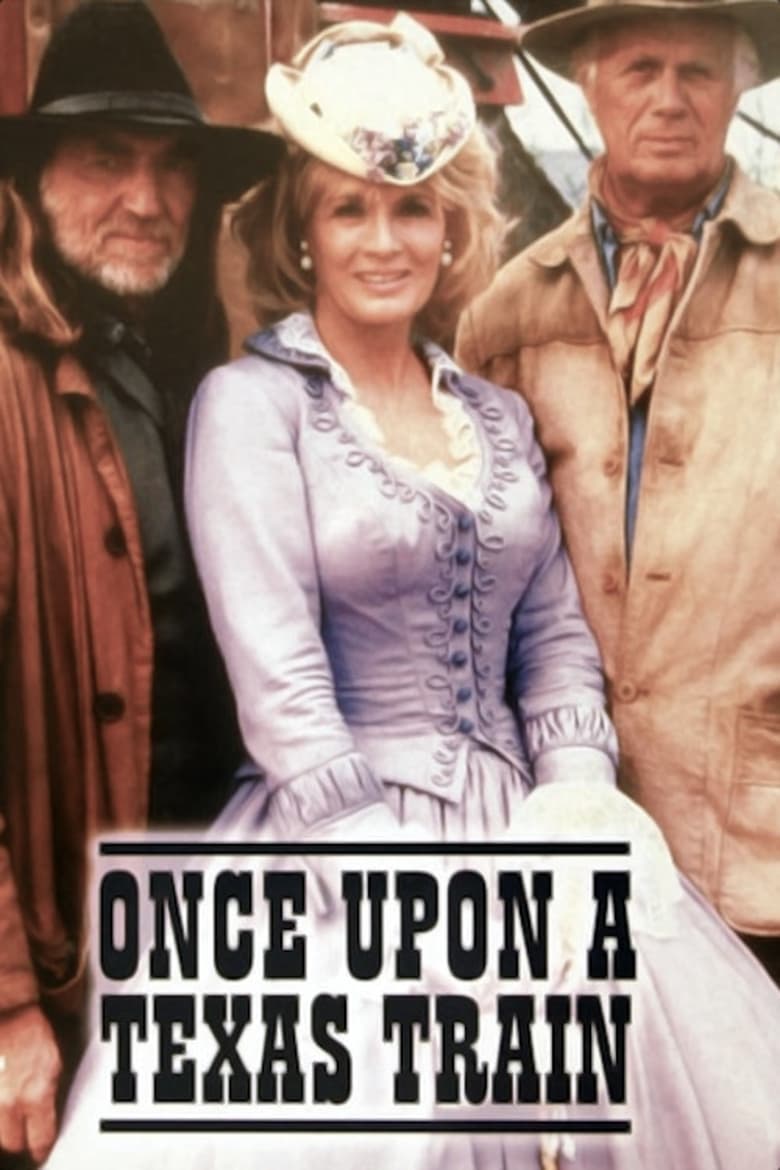
Captain Hayes of the mighty law enforcement squad named the Texas Rangers reached the pinnacle of his career when he captured the notorious John Henry, an outlaw cowboy, and put him behind bars. Twenty years later, upon his release, Henry is older but unrepentant. Within six hours after leaving his jail cell, he evens the score with Hayes by holding up the Bank of Texas for $20,000 in gold. Hayes, in his fury, gets himself out of retirement to take up the chase once more.
Overall Score
Minimal
Category Breakdown
LGBTQ+ Representation
The film operates within a strictly heteronormative framework. There are no depictions of non-cisnormative identities or same-sex intimacy.
Gender Representation
The narrative is driven entirely by male agency and rivalry. Female characters lack significant agency within the patriarchal social hierarchy.
Racial & Ethnic Diversity
The cast is primarily white and Anglo-Saxon, featuring actors like Kirk Douglas and Charles Bronson. It lacks meaningful representation or agency for characters of color.
Religious & Cultural Diversity
The story follows traditional Western tropes of law versus lawlessness. It adheres to the established moral framework of the frontier mythos.
Disability Representation
There are no discernible depictions of visible or invisible disabilities. Characters are defined by the physical capabilities required for action-Western roles.
Strengths
Areas for Improvement
AI Analysis
Once Upon a Texas Train is a quintessential genre piece that prioritizes traditional Western archetypes over progressive representation. The plot centers on a singular conflict between a lawman and an outlaw, leaving little room for diverse perspectives. The film reinforces mid-to-late 20th-century cinematic conventions by focusing on a homogeneous, male-dominated cast. It functions as a standard frontier mythos rather than a tool for social deconstruction. Ultimately, the production adheres to established demographic norms, resulting in a narrative that lacks intersectional depth or cultural variety.
2011
1988
1993
1973
1966
1967
1979
No reviews yet. Be the first to share your thoughts on this movie!
Use the rating form above to leave a star rating and optional review.