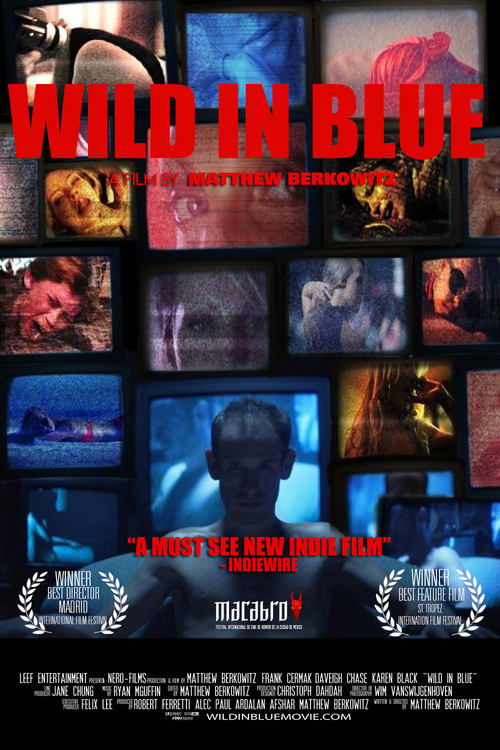
Wild in Blue
2014
No user ratings available yet
Representation score: 0.9 out of 10

Representation Score
Minimal
1990
Director
Richard Kern
Runtime
12 minutes
Average Rating
No ratings yetNew Showbiz Analysis
The film's narrative revolves around a male protagonist who exerts control over the story, maintaining traditional power dynamics. While it breaks away from mainstream cinema through its independent style, it lacks meaningful demographic representation. The film focuses on niche, anti-social behaviors rather than addressing broader social issues. Ultimately, it does not have the complexity needed to meet progressive standards for diversity, sticking to narrow, traditional themes.
Category Breakdown
The film does not include any explicit LGBTQ+ characters or narratives. It focuses on heterosexual relationships without exploring diverse sexual orientations or gender identities.
The story centers on a male character who exercises control over female characters. Even with a comedic tone, the structure reinforces traditional gender roles without challenging them.
There is no information about the racial or ethnic backgrounds of the actors. The film does not show intentional efforts to include diverse racial or ethnic representation.
The film challenges traditional Western family structures through its unconventional nature. However, it does not offer a nuanced look at religious or cultural institutions.
The film does not feature any characters with visible or invisible disabilities. There is also no representation of neurodivergent individuals.
Present on Screen
Limited or Absent
Official Synopsis
A man takes several women home for his own gratification, with mixed results. First part made in 1987, second part made in 1990 with a more comedic-lens.
2014
1974
1988
1985
1992
1969

2016

1979
No reviews yet. Be the first to share your thoughts on this movie!
Use the rating form above to leave a star rating and optional review.