
Vengeance of a Snowgirl
1971
No user ratings available yet
Representation score: 3.2 out of 10
Representation Score
Limited
1976
Director
Li Kuan-Chang
Runtime
86 minutes
Average Rating
No ratings yetNew Showbiz Analysis
This film is a conventional 1970s martial arts piece that prioritizes genre clichés over social subversion. It focuses on archetypal struggles between a specialized antagonist and a lineage-driven protagonist. While the film maintains a strong, culturally specific East Asian identity, it does not seek to disrupt established social norms. The narrative structure reinforces traditional hierarchies rather than offering nuanced character studies. Ultimately, the work functions as a period-specific action film where justice is personal and tied to patriarchal clan leadership.
Category Breakdown
The film does not include characters with non-binary gender identities or same-sex relationships. The protagonist follows a traditional masculine path focused on revenge and martial skills.
The story centers around male-dominated structures such as kung fu masters and clan leaders. The protagonist, Shan, embodies a traditional masculine role as the avenger.
The cast is predominantly East Asian, maintaining a culturally specific identity rooted in its genre. The film does not blend modern multi-layered themes.
The storytelling adheres to traditional values of honor and clan loyalty. The plot operates within the established moral framework of the wuxia tradition.
The film does not depict characters with visible or invisible disabilities. Characters are primarily defined by their physical combat abilities and martial prowess.
Present on Screen
Limited or Absent
Official Synopsis
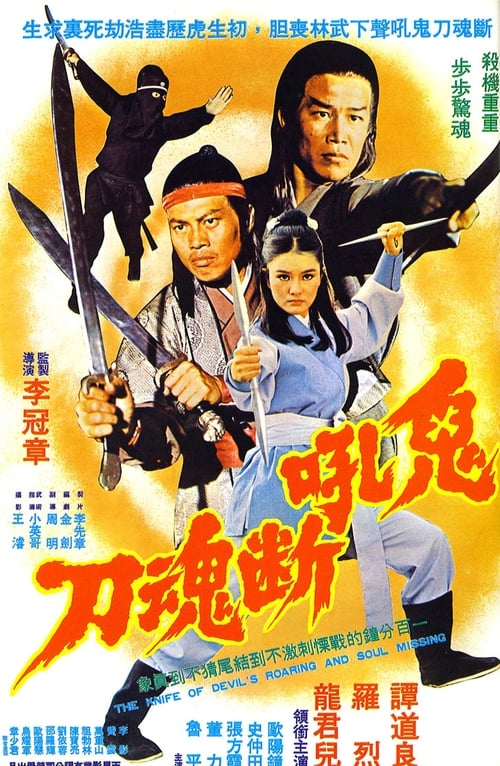
The movie is structured much like a murder mystery, albeit one that gives the viewer a fight scene every couple of minutes. There’s a murderer who goes by the moniker Devil Swordsman gallivanting around the countryside in an outfit that looks like a ninja cloak by way of a KKK robe who’s killing all of the major kung fu masters and clan leaders with a single swipe to the face. One of his first victims is the head of the White Dragon tribe, whose son, Shan, is played by Dorian Tan Tao-Liang. Shan naturally assumes the role of detective in order to avenge his father, since that’s what people do in these movies.
1971
1967
1967
1978

1969
1981
1972
1968
No reviews yet. Be the first to share your thoughts on this movie!
Use the rating form above to leave a star rating and optional review.