
Roads
2019
No user ratings available yet
Representation score: 8.2 out of 10
Representation Score
Good
2020
Director
Ameen Nayfeh
Runtime
96 minutes
Average Rating
No ratings yetNew Showbiz Analysis
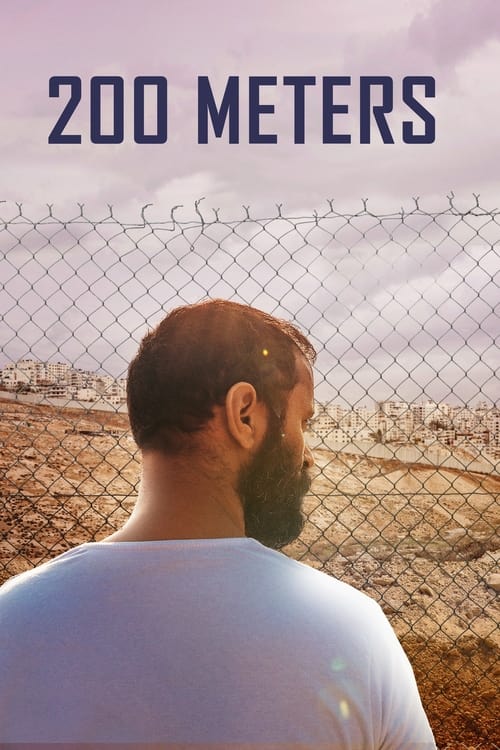
200 Meters is a powerful postcolonial film that centers the lived experiences of Palestinian civilians. It replaces broad political rhetoric with an intimate, humanistic journey focused on disrupted familial bonds. The film's strength lies in its authentic, self-determined portrayal of identity. By framing systemic barriers through personal struggles, it challenges Western-centric views of conflict and highlights the tension between individual ability to act and state oppression. While the film adheres to traditional family roles and lacks specific representation for LGBTQ+ or neurodivergent identities, its deep psychological depth and cultural authenticity create a powerful, identity-driven exploration of resilience.
Category Breakdown
The film does not include any LGBTQ+ characters or non-straight relationships. It focuses solely on traditional family units.
The story presents a nuanced view of gender roles. While Mustafa leads the physical journey, Salwa's emotional labor and domestic resilience are prominently featured.
The film offers an authentic portrayal of Palestinian identity. It avoids an outsider perspective, presenting a self-determined narrative with a non-Western majority cast.
The narrative critically examines geopolitical structures and territorial control. It portrays the separation wall as an oppressive force that disrupts natural human rights.
No main characters are defined by disability. However, the son's accident and the trauma of restricted movement serve as central narrative drivers.
Present on Screen
Limited or Absent
Official Synopsis
Mustafa and his wife Salwa come from two Palestinian villages that are only 200 meters apart, but separated by the wall. Their unusual living situation is starting to affect their otherwise happy marriage, but the couple does what they can to make it work. Every night, Mustafa flashes a light from his balcony to wish his children on the other side a goodnight, and they signal him back. One day Mustafa gets a call that every parent dreads: his son has been in an accident. He rushes to the checkpoint where he must agonisingly wait in line only to find out there is a problem with his fingerprints and is denied entry. Desperate, Mustafa resorts to hiring a smuggler to bring him across. His once 200-meter journey becomes a 200-kilometer odyssey joined by other travellers determined to cross.
2019
2009

2024

2023
2020

2020
2019

2015
No reviews yet. Be the first to share your thoughts on this movie!
Use the rating form above to leave a star rating and optional review.