Batmania: From Comics to Screen
1989
No user ratings available yet
Representation score: 2.5 out of 10
Representation Score
Limited
1989
Runtime
37 minutes
Average Rating
No ratings yetNew Showbiz Analysis
Holy Batmania acts as a historical time capsule, preserving the media clichés of the mid-20th century. Because it relies on archival footage from the 1960s, the documentary inherently reflects the era's limited demographic breadth and traditional social hierarchies. The film succeeds as a celebratory survey of the Batman mythos, tracing its journey from pulp comics to television. However, this historical accuracy results in a lack of modern representation, as the source material lacks racial, gender, and LGBTQ+ diversity. Ultimately, the documentary is a chronological record of a specific period in American media. It captures the evolution of a hero archetype without attempting to critique the systemic omissions present in the original broadcasts.
Category Breakdown
The archival footage reflects the strict assumptions that everyone is straight or cisgender from the mid-20th century. There are no explicit depictions of queer identities or intimacy within the presented material.
Content centers on masculine superhero archetypes. While characters like Batgirl appear, they often function as companions within the traditional gender hierarchies of the 1960s era.
The footage displays the demographic homogeneity of 1960s television. The featured clips primarily showcase a Western-centric, predominantly white ensemble with little diverse casting.
The film examines the intersection of pop culture and consumerism through vintage commercials. It offers a look at how the 'camp' era satirized traditional heroism and morality.
The documentary focuses on the aesthetic and commercial evolution of the franchise. There is no significant evidence regarding the portrayal of physical or neurodivergent disabilities.
Present on Screen
Limited or Absent
Official Synopsis
Using behind-the-scenes footage, home movies and rare TV commercials and network promos, this video profiles Batman through the years from its beginnings as a comic book to the successful 1960s TV series.
1989
2005
2018
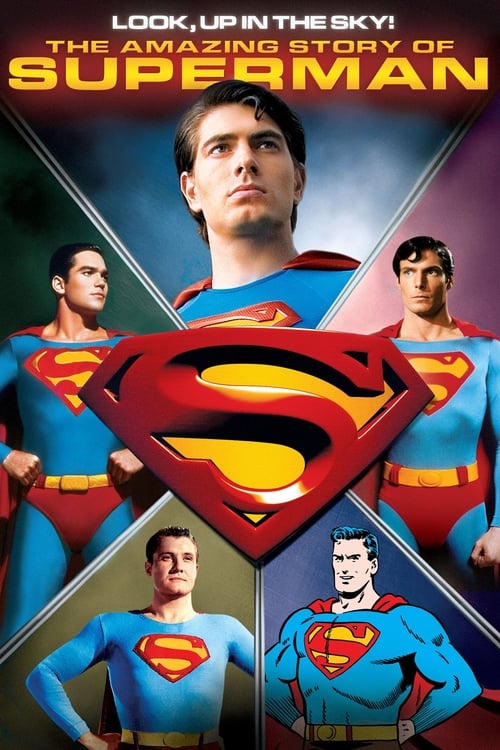
2006
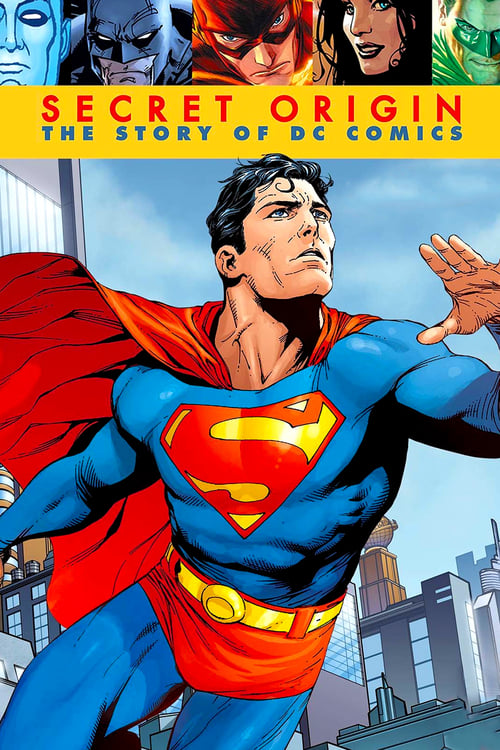
2010
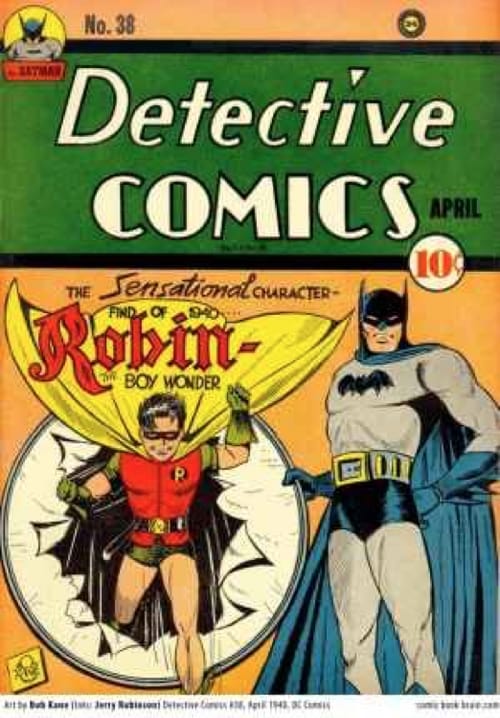
2010
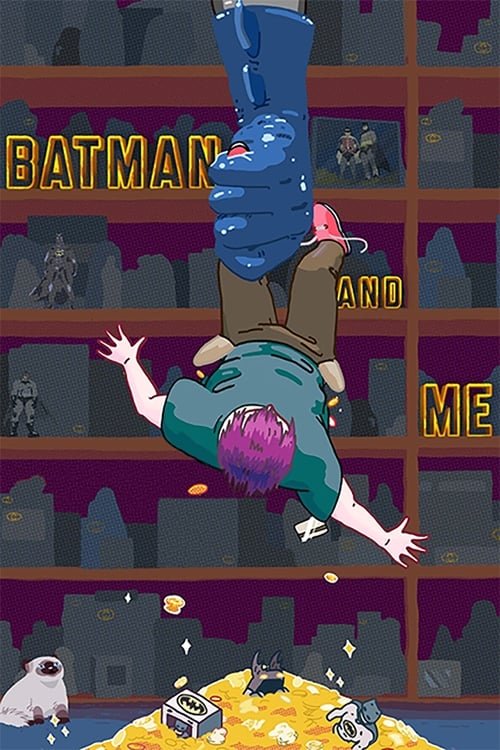
2019
2012
No reviews yet. Be the first to share your thoughts on this movie!
Use the rating form above to leave a star rating and optional review.