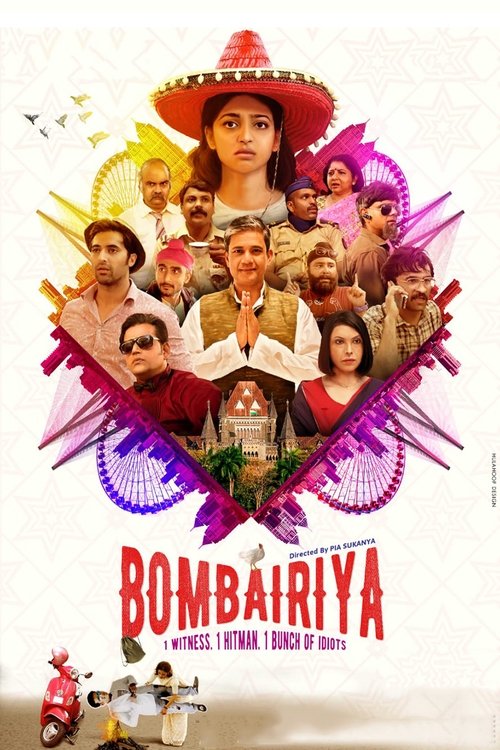
Bombairiya
2019
No user ratings available yet
Diversity score: 6.8 out of 10
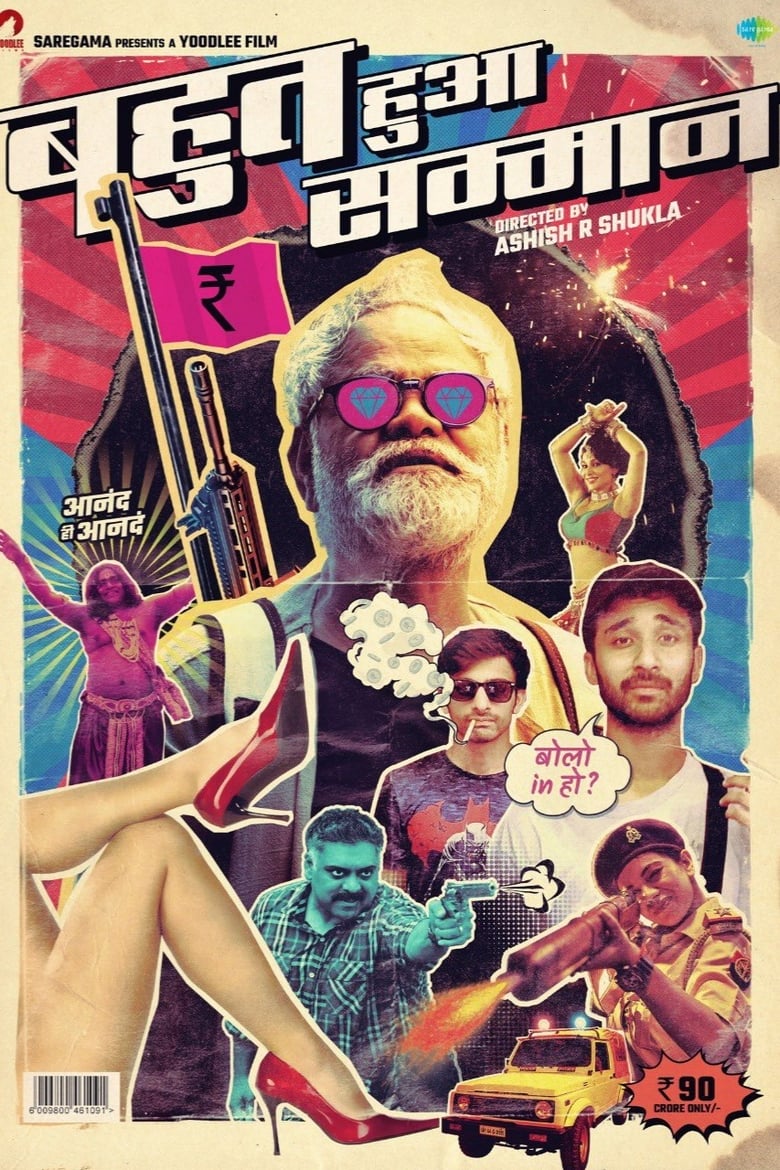
2020
Director
Ashish R. Shukla
Runtime
125 minutes
Average Rating
No ratings yetSynopsis
With their planned heist gone wrong, Bony and Fundoo get inextricably involved in the pursuit of 'Kohinoor' - quite possibly the biggest scandal the country will ever witness.
Overall Score
Good
Category Breakdown
LGBTQ+ Representation
The film lacks LGBTQ+ characters or themes. The narrative focuses exclusively on heteronormative struggles within traditional marriage structures.
Gender Representation
Shanti, a young widow, serves as a powerful subversion of patriarchal norms. Her pursuit of remarriage challenges the trope of the invisible, ascetic widow.
Racial & Ethnic Diversity
The story is rooted in the specific regional identity of Uttar Pradesh. It explores internal social stratification rather than diverse racial intersections.
Religious & Cultural Diversity
The film critiques religious and communal authorities as oppressive mechanisms. It prioritizes personal morality over the dogmatic dictates of village elders.
Disability Representation
There is no evidence of characters with physical or neurodivergent disabilities in the narrative.
Strengths
Areas for Improvement
AI Analysis
Bahut Hua Sammaan is a pointed critique of social hierarchies, specifically targeting the rigid expectations placed upon women in traditional settings. By centering on a widow's quest for agency, the film transforms a personal struggle into a broader rebellion against systemic oppression. The strength of the film lies in its ability to deconstruct religious and communal authority. It frames the protagonist's desire for autonomy not as a moral failing, but as a necessary disruption of a corrupt social order. However, the film's scope is narrow. While it excels at exploring internal caste and class complexities within its regional setting, it offers no representation for LGBTQ+ identities or characters with disabilities.
2019
2022
2014
2021
2023
2016
No reviews yet. Be the first to share your thoughts on this movie!
Use the rating form above to leave a star rating and optional review.