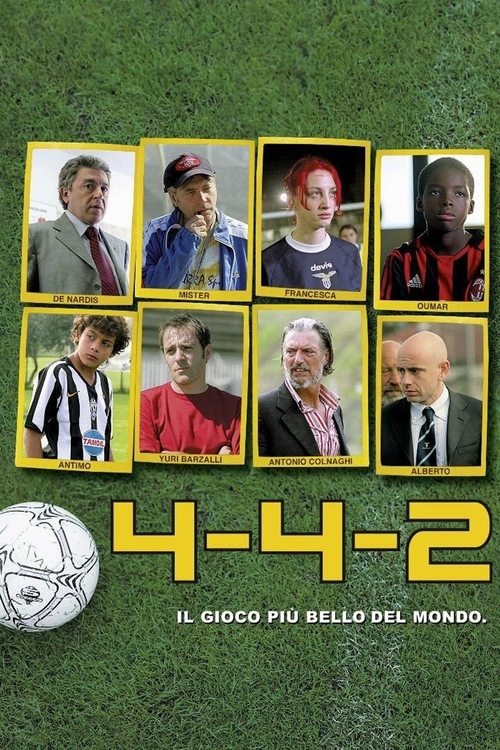
4-4-2 - Il gioco più bello del mondo
2006
No user ratings available yet
Representation score: 3.2 out of 10
Representation Score
Limited
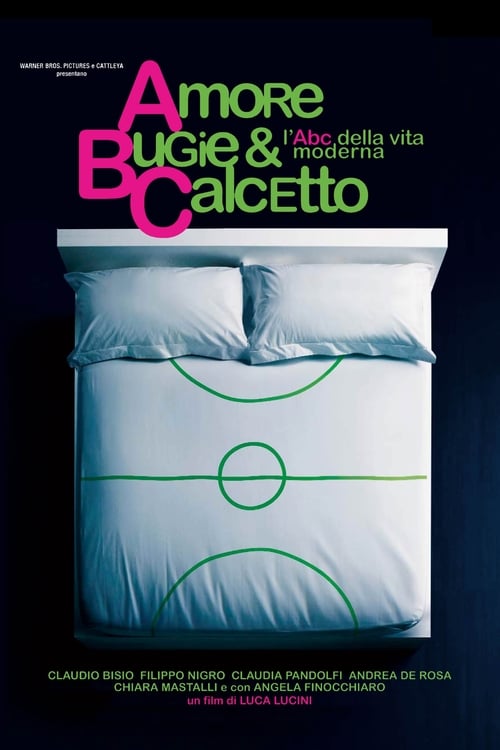
2008
Director
Luca Lucini
Runtime
115 minutes
Average Rating
No ratings yetNew Showbiz Analysis
Luca Lucini’s comedy adheres to traditional genre conventions rather than intentionally challenging systemic norms. The film functions as a standard piece of media that relies on established social norms to drive its narrative. The production maintains a highly conventional profile, particularly regarding its homogeneous demographic and adherence to mid-2000s social structures. It lacks the complexity or multi-layered storytelling needed to challenge traditional hierarchies. Ultimately, the film serves as a localized, traditionalist comedy. It does not utilize identity politics or deconstruct institutions, favoring familiarity over progressive representation.
Category Breakdown
The film follows conventional comedy standards without depicting non-binary gender identities. It does not challenge traditional heterosexual norms, focusing instead on standard comedic formulas.
Female characters are portrayed within traditional gender roles typical of mid-2000s European comedies. The film does not significantly challenge traditional hierarchies or systemic norms related to masculinity.
As a localized Italian production, the cast and setting reflect a homogeneous demographic. There is no indication of a diverse, non-Anglo-Saxon majority cast.
The story adheres to traditional social structures and conventional morality. It does not prioritize secularism or frame Western institutions as inherently oppressive.
There are no prominent depictions of visible or invisible disabilities. The film lacks representation of characters with disabilities, though it does not mock such characters.
Present on Screen
Limited or Absent
2006
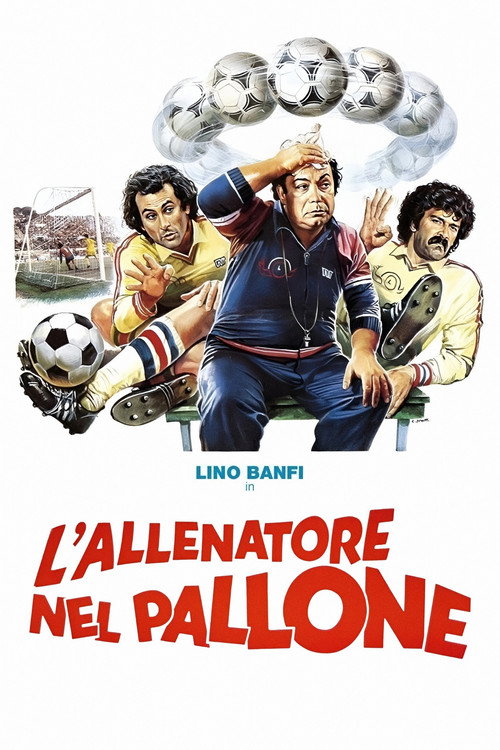
1984
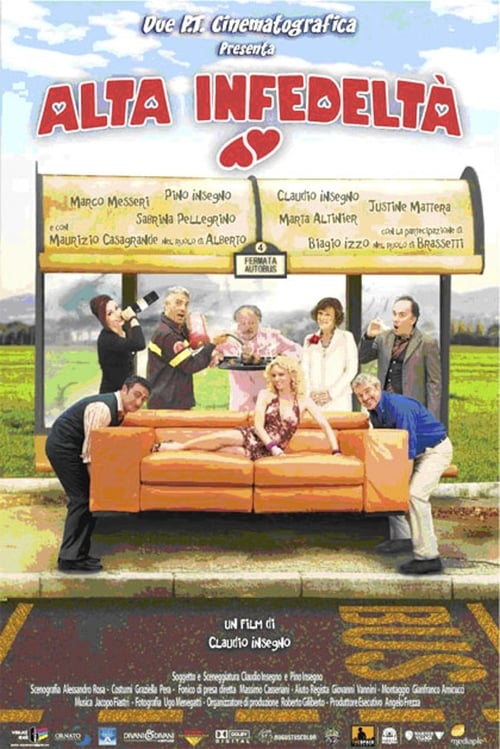
2010
2001
2013
2008
2003

2005
No reviews yet. Be the first to share your thoughts on this movie!
Use the rating form above to leave a star rating and optional review.