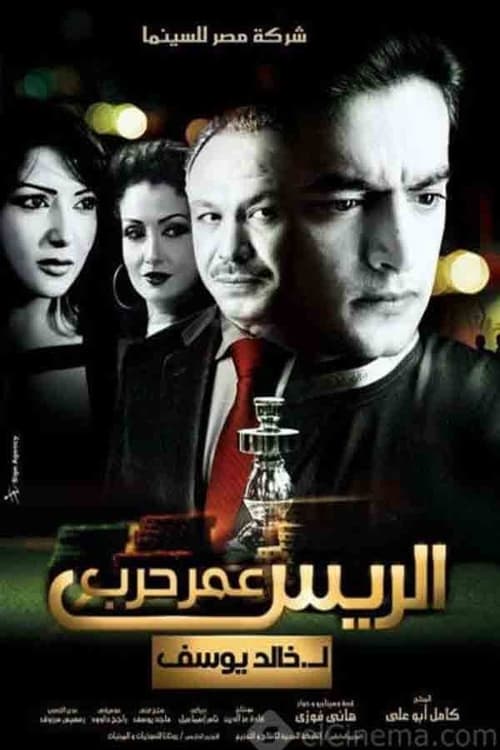
Chief Omar Harb
2008
No user ratings available yet
Diversity score: 4.2 out of 10
2009
Director
Khaled Youssef
Runtime
137 minutes
Average Rating
No ratings yetSynopsis
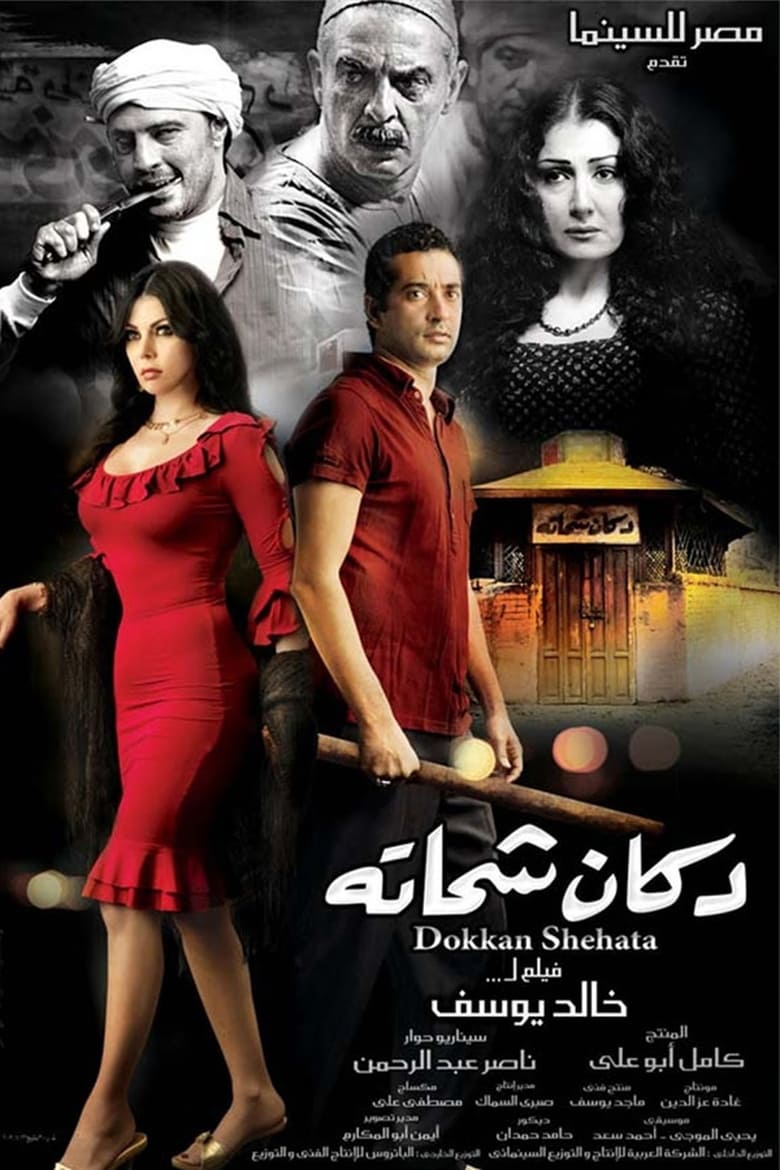
Shehata is the son of a modest gardener who saved all his money to open a fruit stand and named it after his favorite son. Shehata's siblings get so jealous of their brother and plot against him. A representation of the downfall of society and its decaying morals.
Overall Score
Fair
Category Breakdown
LGBTQ+ Representation
The film lacks any evidence of LGBTQ+ characters or non-cisnormative identities. The narrative remains centered on traditional familial and social structures.
Gender Representation
The story focuses primarily on the male protagonist and his siblings. There is no explicit evidence of subverting gender hierarchies or portraying masculinity as inept.
Racial & Ethnic Diversity
As a regional production, the film offers a non-Western perspective. It provides a culturally specific landscape that disrupts the homogeneity of global cinematic norms.
Religious & Cultural Diversity
The film critiques the decay of traditional social and moral structures. It uses the breakdown of the family unit to highlight the instability of established institutions.
Disability Representation
There is no mention of characters with visible or invisible disabilities. The narrative does not address disability representation.
Strengths
Areas for Improvement
AI Analysis
Shehata's Store functions as a social realist drama that uses a domestic tragedy to mirror a broader societal downfall. The film's strength lies in its thematic depth, specifically its critique of systemic moral decay and the erosion of traditional social cohesion. However, the film lacks diversity in several key areas. It provides no representation for LGBTQ+ identities or characters with disabilities. The narrative focus is heavily centered on male-driven familial conflict, offering limited insight into gender subversion. Ultimately, while the film succeeds as a localized critique of social instability, it remains narrow in its demographic scope, adhering to traditional dramatic frameworks rather than intersectional representation.
No reviews yet. Be the first to share your thoughts on this movie!
Use the rating form above to leave a star rating and optional review.