Pachamama
2018
No user ratings available yet
Representation score: 4.2 out of 10
Representation Score
Fair
1999
PGDirector
Alejandro Azzano
Runtime
95 minutes
Average Rating
No ratings yetNew Showbiz Analysis
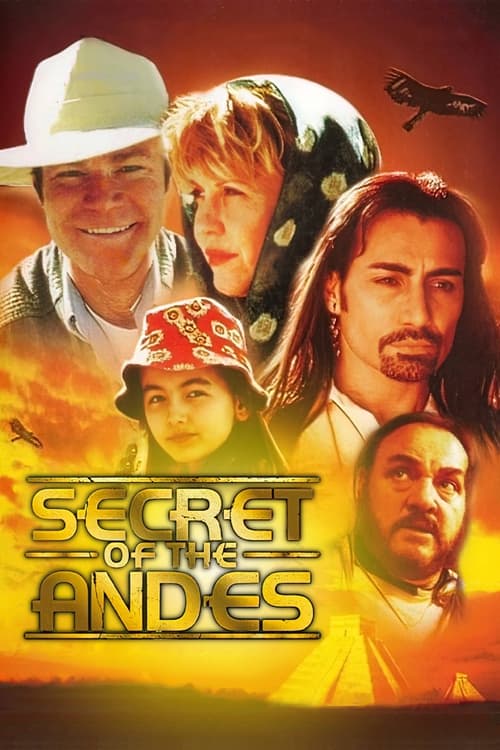
Secret of the Andes succeeds by centering an indigenous perspective in a genre often dominated by Western heroes. By focusing on Incan traditions and the post-colonial tension in Peru, the film provides a meaningful space for non-Western storytelling. However, the film's diversity is unevenly distributed. The narrative structure is heavily male-centric, focusing on a mentorship between two men, which limits gender diversity. It also lacks engagement with LGBTQ+ identities or disability representation. Ultimately, the film's strength lies in its cultural and racial intentionality. While it misses opportunities for broader social representation, its commitment to Andean identity offers a refreshing departure from mainstream adventure clichés.
Category Breakdown
The film does not explicitly depict LGBTQ+ identities. It focuses on a close, non-romantic relationship between an older character and a younger one within traditional family structures.
The story emphasizes male-centric mentorship and archetypes. The male protagonist, Cusi, and his mentor, Chuto, have significant roles, while there is little evidence of female-driven plot roles.
The film centers on an Incan protagonist and indigenous Andean culture. This shifts the focus away from Anglo-centric heroism by examining the tension between Incan traditions and Spanish colonial influence.
The story highlights Incan heritage and the conflict of colonial impact. It values non-Western social organization and the emotional experiences of a underrepresented group.
There is no indication of the portrayal of physical or neurodivergent disabilities in the narrative.
Present on Screen
Limited or Absent
Official Synopsis
Cusi is a 20th century Incan boy who lives in a high mountain valley with an old llama herder named Chuto. Chuto raised Cusi in a traditional Incan fashion, although the Spanish culture was prevalent in Peru since the conquest of the Incan Empire. Although eager for adventure, Cusi is still drawn to the home he has known all his life. Cusi sets out from his home to try to find a family, but discovers that Chuto is all the family he needs.
2018

1987
2009

2019

2018
1999
1980

2004
No reviews yet. Be the first to share your thoughts on this movie!
Use the rating form above to leave a star rating and optional review.