
Split
2016
No user ratings available yet
Representation score: 4.8 out of 10
Representation Score
Good
2019
Director
Pasquale Marco Veltri
Runtime
80 minutes
Average Rating
No ratings yetNew Showbiz Analysis
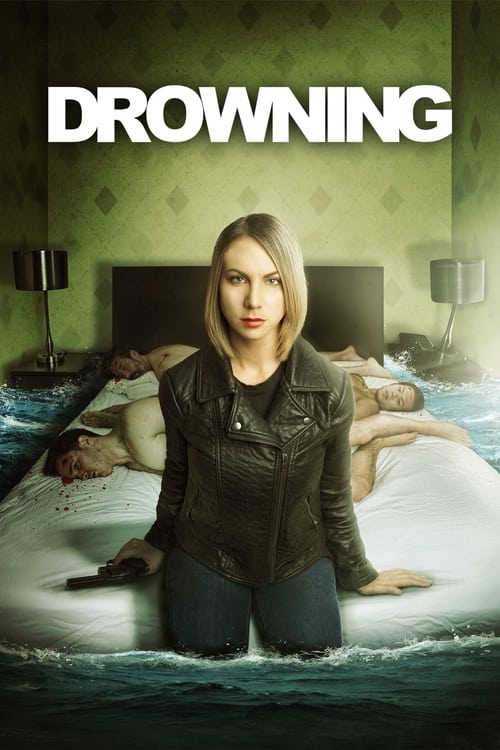
Drowning is a psychological study of trauma that prioritizes the reclamation of control. The film succeeds in disrupting traditional power structures by centering on a woman's fight against systemic exploitation and patriarchal control. The narrative's strength lies in its sophisticated treatment of psychological fragmentation and invisible disability. By making Anna's emotional dissociation a core element of her survival, the film avoids using mental health as a mere plot device. However, the film's impact is limited by a lack of visible diversity in terms of race and explicit LGBTQ+ identities. While the themes are progressive, the absence of specific demographic data prevents a more comprehensive representation.
Category Breakdown
The film explores the subversion of interpersonal power dynamics through psychological survival. However, it lacks explicit details regarding the sexual orientation or gender identity of its characters.
The narrative centers on a woman reclaiming control from systemic exploitation. Anna's journey from helplessness to self-actualization challenges traditional depictions of female passivity and critiques patriarchal control.
There is no specific information available regarding the racial or ethnic composition of the cast or the setting.
The story offers a sophisticated critique of corrupt social structures and domestic enablers. It focuses on the psychological necessity of rebelling against oppressive environments.
The film provides a nuanced look at invisible disability through the lens of psychological trauma. Anna's emotional dissociation is treated as a central mechanism for navigating her reality.
Present on Screen
Limited or Absent
Official Synopsis
Drowning is a slow burn psychological thriller where the lead character, Anna, uses wish fulfillment to break free from a cycle of abuse. Anna does not have the self-esteem needed to overcome the abuse she suffers in the real world, so she creates a new reality where she fights back. Anna is a prostitute who has been abused, exploited and manipulated for as long as she can remember. Disconnected from her emotions, Anna must take control of her own life, empower herself and learn to live her life on her own terms. Returning to her childhood home, Anna faces off against her enablers, her abusers, and her own demons.
2016

2023
2021

1999

2026

2000

2023

2013
No reviews yet. Be the first to share your thoughts on this movie!
Use the rating form above to leave a star rating and optional review.