
A Teacher's Crime
2008
No user ratings available yet
Representation score: 2.0 out of 10
Representation Score
Limited
2014
Not RatedDirector
Karen Leigh Hopkins
Runtime
88 minutes
Average Rating
No ratings yetNew Showbiz Analysis
Miss Meadows is a character study that succeeds through its sharp subversion of gendered archetypes. By giving a prim, hyper-feminine protagonist extreme lethal ability to act, the film disrupts the expectation of female passivity and challenges traditional masculine associations with violence. However, the film is deeply anchored in a homogeneous demographic landscape. The 1950s setting results in a lack of racial and ethnic diversity, presenting a cast that is almost exclusively white and Anglo-Saxon. This creates a narrow social scope that lacks multi-layered depth. Ultimately, the film's strength lies in its intellectual engagement with moral relativism. While it fails to represent diverse identities or non-cisgender lives, it provides a sophisticated critique of institutional morality through its protagonist's unique sense of justice.
Category Breakdown
The film adheres to traditional social structures that assume everyone is straight or cisgender. There is no presence of non-cisgender identities or critiques of the assumption that everyone is straight or cisgender.
Miss Meadows challenges traditional gender roles by using a hyper-feminine appearance as a strategic disguise. Her lethal actions and autonomy defy the typical association of decisive violence with masculinity.
Set in 1950s New York, the film features a predominantly white, Anglo-Saxon cast. It lacks characters of color with significant roles.
The narrative explores moral relativism by favoring the protagonist's personal code over established legal systems. It critiques traditional authority through the lens of personal necessity.
There are no visible or invisible disabilities portrayed. The characters do not include neurodivergent individuals or those with physical or sensory disabilities.
Present on Screen
Limited or Absent
Official Synopsis
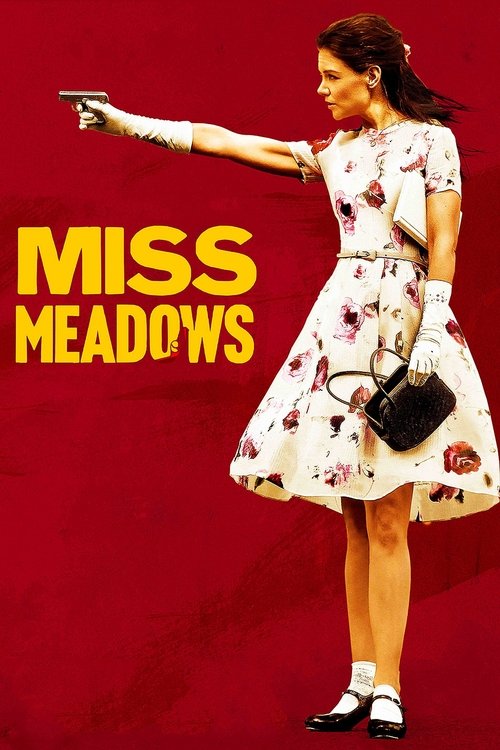
Miss Meadows is a school teacher with impeccable manners and grace. However, underneath the candy-sweet exterior hides a ruthless gun-toting vigilante who takes it upon herself to right the wrongs in the world by whatever means necessary. For Miss Meadows, bad behavior is simply unforgivable.
2008

2008

2017

2023

2019

2019

1978

2023
No reviews yet. Be the first to share your thoughts on this movie!
Use the rating form above to leave a star rating and optional review.