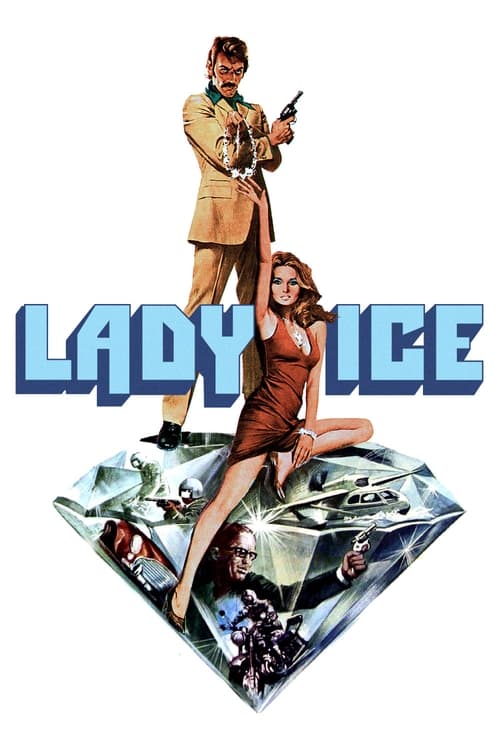
Lady Ice
1973
No user ratings available yet
Representation score: 1.4 out of 10
Representation Score
Limited
1972
TV-MADirector
Bernard L. Kowalski
Runtime
74 minutes
Average Rating
No ratings yetNew Showbiz Analysis
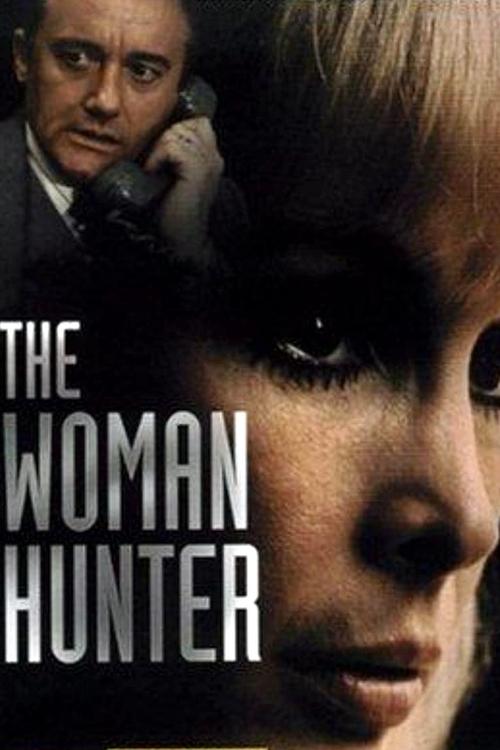
The Woman Hunter is a conventional 1970s crime thriller that emphasizes genre clichés over social complexity. While it gives a female lead a significant role in driving the story, the narrative remains firmly rooted in traditional social structures. The film lacks depth in reflecting multiple aspects of identity, focusing instead on a wealthy protagonist navigating an international crime plot. This approach limits opportunities for diverse or subversive representation. Ultimately, the production reflects the era's tendency to use foreign settings as backdrops for Western-centric stories rather than engaging with local cultures or identities.
Category Breakdown
The film focuses on a heterosexual marriage and does not include any non-straight or non-cisgender identities or critiques of the assumption that everyone is straight or cisgender.
A female protagonist drives the plot by uncovering a threat. The husband is portrayed as 'stuffy,' which may challenge traditional masculine stereotypes.
The film is set in Acapulco but lacks details about the roles or presence of local Mexican characters, suggesting a Western-centric perspective.
The story centers on individual survival during a vacation, following traditional Western social hierarchies and class structures without critiquing systemic issues.
There is no mention of characters dealing with physical, sensory, or neurodivergent conditions.
Present on Screen
Limited or Absent
Official Synopsis
A wealthy woman, vacationing in Acapulco with her stuffy husband, stumbles upon evidence that she is being stalked by an international jewel thief and murderer.
1973
1950

1977
1971
1972
1971
1975

1975
No reviews yet. Be the first to share your thoughts on this movie!
Use the rating form above to leave a star rating and optional review.