
Ferry 2
2024
No user ratings available yet
Representation score: 4.9 out of 10
Representation Score
Fair
2017
Director
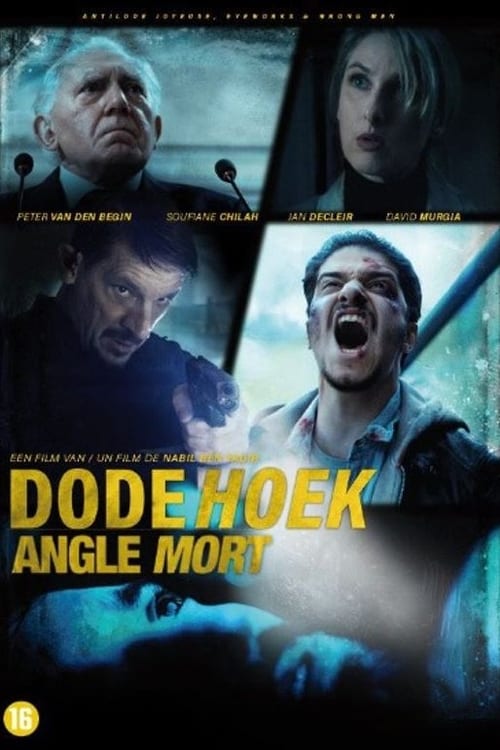
Nabil Ben Yadir
Runtime
105 minutes
Average Rating
No ratings yetNew Showbiz Analysis
The film is a sophisticated crime thriller that uses its genre framework to explore systemic prejudice. While it lacks representation for LGBTQ+ individuals and people with disabilities, it succeeds in subverting racial clichés by centering an immigrant experience. By focusing on the tension between state authority and underrepresented identities, the film challenges the perceived moral infallibility of Western policing through a high-stakes narrative. Ultimately, the film's impact is driven by its racial and cultural depth, despite being limited by a male-dominated cast and a lack of gender diversity.
Category Breakdown
The film does not include any LGBTQ+ characters or stories. The plot revolves around conflicts between the main character and state authorities.
The story focuses on male-driven conflicts and policing dynamics. There is a lack of women's ability to drive the story and diverse gender expressions, resulting in a traditional, male-centric structure.
The film stands out by featuring a North African/Maghrebi protagonist in a Western urban setting. This challenges conventional crime thriller archetypes.
The story critiques Western institutional power by highlighting systemic profiling. It adopts a post-colonial perspective, examining the impact of historical power structures.
The film does not feature any characters with visible or invisible disabilities.
Present on Screen
Limited or Absent
Official Synopsis
Dode Hoek (Blind Spot) is the story of Jan Verbeeck, the uncompromising commissioner of the Antwerp drug squad. Known as Mr. Zero Tolerance, he is hugely popular with the people and the media. The country is thrown into commotion when he announces that he is leaving the police force just before the elections to join the extreme right party, VPV. On his last day as a policeman, he leads an investigation that takes him to Charleroi where a raid on a drug lab sets in motion a series of unforeseeable and fatal events.
2024
1983

2019
2018
2009
2003
2010

2014
No reviews yet. Be the first to share your thoughts on this movie!
Use the rating form above to leave a star rating and optional review.