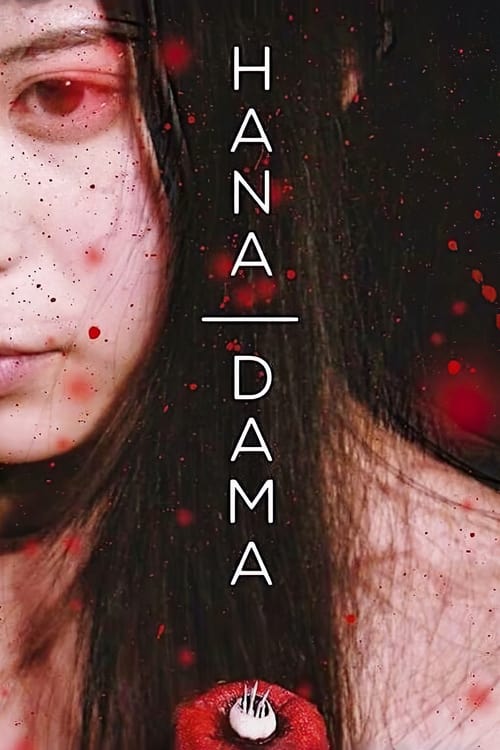
Hana-Dama
2014
No user ratings available yet
Representation score: 5.6 out of 10

Representation Score
Good
2012
Director
Ryohei Watanabe
Runtime
94 minutes
Average Rating
No ratings yetNew Showbiz Analysis
Shady delves into the darker aspects of high school social dynamics, focusing on the psychological shift from isolation to deceptive inclusion. The film successfully deconstructs traditional female archetypes, moving away from stable, moralistic characterizations toward more complex, volatile portrayals. However, the representation remains somewhat limited by its focus on a homogeneous cast and a lack of explicit markers reflecting multiple aspects of diversity. While the psychological depth is notable, the narrative’s exploration of social alienation risks using character traits primarily to drive tension rather than providing deep, autonomous representation.
Category Breakdown
The story focuses on a strong bond between two female students, Misa and Izumi, which is portrayed as a friendship but also hints at deeper psychological connections that go beyond typical social structures.
The film challenges traditional gender roles by centering on female protagonists who navigate complex emotional landscapes. It presents Izumi as a volatile and potentially demonic figure, moving away from the usual depiction of kind and stable female characters.
As a Japanese production, the film features a cast that reflects its cultural context. It adheres to its own cultural framework without showing signs of Western-centric casting practices.
The narrative examines the collapse of school hierarchies and the fragility of social bonds. It subtly critiques social integration through Misa's reliance on non-human companions.
The film touches on social alienation and Misa's coping mechanisms. However, these traits might serve mainly as plot devices rather than exploring her independent ability to act.
Present on Screen
Limited or Absent
Official Synopsis
Because of her last name "Kumada" (bear + rice paddy) and her appearance, Misa's high school classmates call her "Pooh" disparagingly. She obviously has no friends and can only let down her guard around her pet parrot and the goldfish in the science room at school. But, then she finds herself quickly becoming best friends with Izumi who is a cute and popular classmates. Although somewhat puzzled by Izumi's interest in her, Misa is excited about having a friend for the first time ever. But, Izumi's initial angelic demeanor gradually transforms into a demonic one.
2014

2014
1998

2011

2002

2012

2018

2018
No reviews yet. Be the first to share your thoughts on this movie!
Use the rating form above to leave a star rating and optional review.