The Challenger
2015
No user ratings available yet
Representation score: 2.0 out of 10
Representation Score
Limited
2017
RDirector
Thomas Napper
Runtime
91 minutes
Average Rating
No ratings yetNew Showbiz Analysis
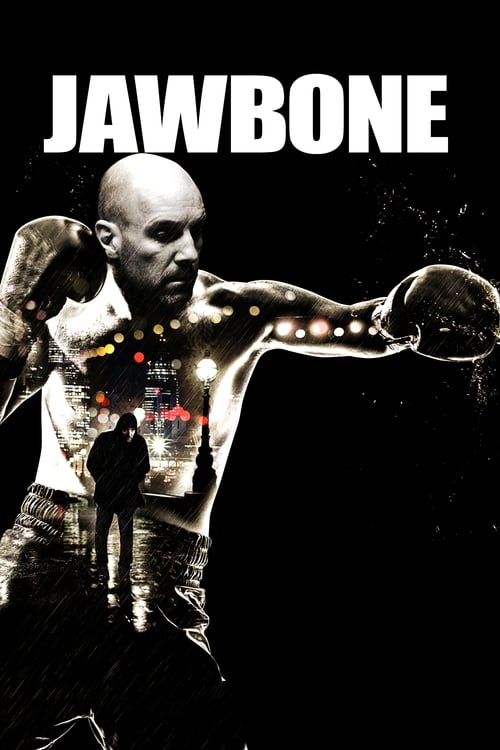
Jawbone stands out as a piece of historical revisionism that challenges the typical homogeneity of 19th-century period dramas. By centering a Black protagonist, the film disrupts standard Anglo-Saxon historical clichés and provides a nuanced look at systemic hardship. However, the film remains tied to traditional gender hierarchies, limiting the ability to act of female characters. Additionally, there is no representation of LGBTQ+ identities or relationship dynamics. Ultimately, the film's impact comes from its multi-layered approach to identity and its deconstruction of the heroic archetype through a lens of institutionalized inequity.
Category Breakdown
The film does not include any LGBTQ+ characters or relationships that go beyond the assumption that everyone is straight or cisgender. The story focuses solely on the protagonist's marital issues and his male-dominated boxing community.
The film follows traditional gender roles of the time period, with the male protagonist and his mentors holding the majority of the ability to act. Women are mostly confined to the domestic sphere and are recipients of the protagonist's actions.
The film centers a Black protagonist in 1890s New York, offering significant depth and disrupting conventional historical clichés. It highlights the complexities of navigating systemic inequities during that era.
The story critiques traditional Western institutions and rigid economic structures of the era. It portrays the protagonist's lifestyle as a necessary response to a corrupt and indifferent social order.
There is no significant or central depiction of visible or invisible disabilities within the primary narrative arc.
Present on Screen
Limited or Absent
Official Synopsis
A former youth boxing champion, Jimmy McCabe is a man in search of hope but looking in all the wrong places. When he hits rock bottom he turns to his childhood boxing club and the only family he has left: gym owner Bill corner man Eddie and promoter Joe. Back in training, years after anyone thought he was a contender, he risks his life, as he tries to stand tall and regain his place in the world.
2015

2021
2022
2020
2005
2013
2005

2014
No reviews yet. Be the first to share your thoughts on this movie!
Use the rating form above to leave a star rating and optional review.