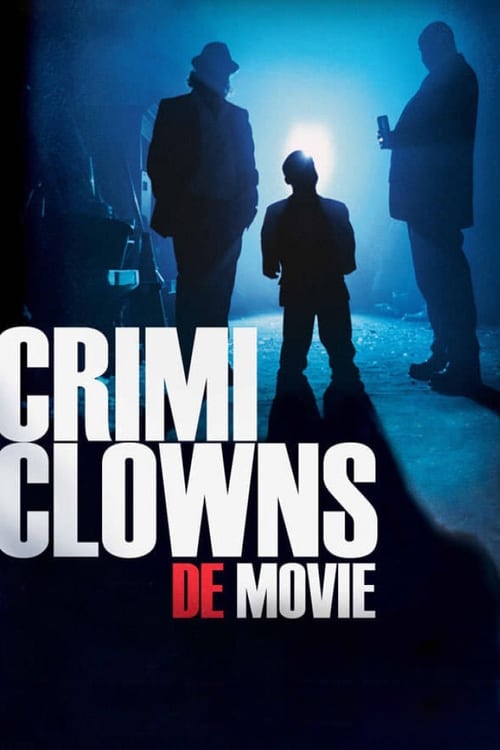
Crimi Clowns: De Movie
2013
No user ratings available yet
Representation score: 1.9 out of 10

Representation Score
Fair
2008
Director
Samuel Benchetrit
Runtime
108 minutes
Average Rating
No ratings yetNew Showbiz Analysis
The film examines the struggles of individuals living on the fringes of society, providing a critique of systemic limitations and traditional success metrics. Its strength lies in its cultural critique of institutional narratives and social structures. However, the lack of specific details about race, gender, and LGBTQ+ representation leads to a moderate score. The film prioritizes social commentary over diverse demographic representation.
Category Breakdown
The film doesn't explicitly confirm any LGBTQ+ characters, though themes related to these identities might be present in the subtext. The story is told through vignettes that don't provide clear evidence of LGBTQ+ characters.
The narrative focuses on aspiring criminals, which could challenge traditional gender roles. However, there is no specific confirmation of character arcs for women in the current context.
As a French production, the film showcases diverse urban settings. There is no specific mention of race-bent casting or a non-Anglo-Saxon majority cast.
The film highlights characters trying to improve their lives through unconventional means, criticizing traditional economic and social structures. It focuses on systemic barriers to upward mobility.
There is no indication that neurodivergence or physical disabilities play a central role or serve as significant plot devices in this story.
Present on Screen
Limited or Absent
Official Synopsis
Told in four vignettes, this existential comedy relates the exploits of four aspiring criminals who hope to improve their lot, but find that they might not have what it takes for a life of crime.
2013

2018
2023

1981

2018

2009

2005

2018
No reviews yet. Be the first to share your thoughts on this movie!
Use the rating form above to leave a star rating and optional review.