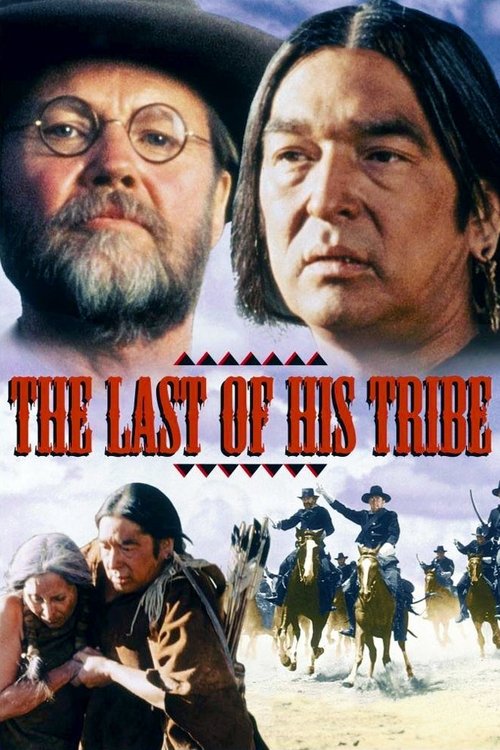
The Last of His Tribe
1992
No user ratings available yet
Diversity score: 5.7 out of 10
1995
Director
John Kent Harrison
Runtime
92 minutes
Average Rating
No ratings yetSynopsis
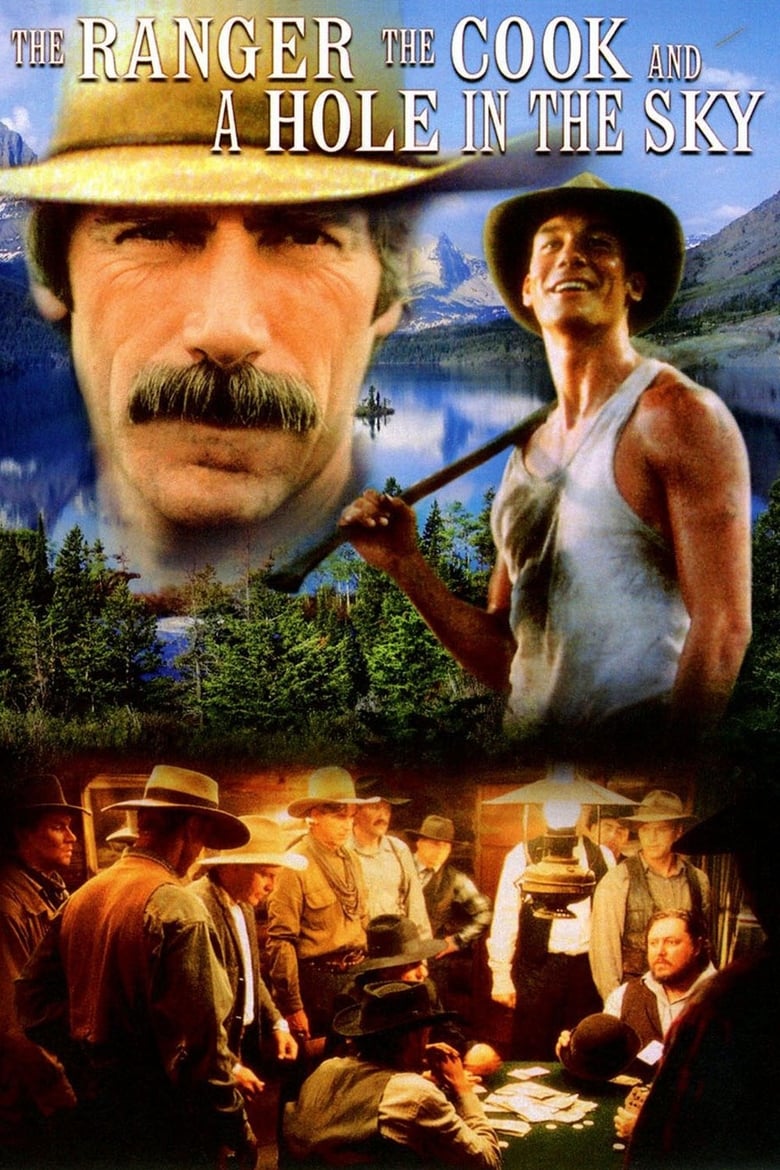
A young ranger in the Montana wilderness discovers the great forces of nature while learning the importance of honor, trust and integrity. Legendary veteran ranger Bill Bell educates the young man and guides him toward manhood. The year is 1919-a time when being a ranger meant more than operating expensive equipment. Forest fires were fought with guts and courage, not chemicals and airplanes. Bill Bell was the toughest ranger in an elite crew of very rugged men. A figure of heroic proportions, he was generally feared and respected by all. It was even rumored that he had at one time killed a sheep farmer, which only fueled his already enormous reputation. The young ranger does everything to remain in the good graces of Bill Bell, the senior ranger he idolizes. Their tentative rapport grows into a friendship through a hilarious and heroic rite of passage in which the younger ranger meets the test-and the woman of his dreams.
Overall Score
Limited
Category Breakdown
LGBTQ+ Representation
The film follows a conventional heteronormative trajectory. The central romantic arc focuses on the protagonist meeting the woman of his dreams, offering no evidence of non-cisnormative identities.
Gender Representation
The story reinforces traditional masculine hierarchies through a rite of passage into manhood. While a female character appears, she serves primarily as a romantic catalyst for the male lead.
Racial & Ethnic Diversity
Set in 1919 Montana, the narrative likely reflects the historical homogeneity of the Western genre. The focus remains on Anglo-Saxon archetypes within an elite crew of rugged men.
Religious & Cultural Diversity
The film celebrates traditional Western values like honor, trust, and integrity. It promotes a classic moral framework centered on rugged individualism and established authority figures.
Disability Representation
The narrative provides no information regarding characters with visible or invisible disabilities.
Strengths
Areas for Improvement
AI Analysis
The film functions as a traditional period drama that reinforces established social and gender hierarchies. It adheres to the historical and genre-based tropes of the Western, focusing on a linear, heteronormative rite of passage. Rather than challenging systemic power dynamics, the story celebrates conventional masculinity and the mentorship of heroic male figures. The narrative architecture is built around the reinforcement of traditional Western virtues. Ultimately, the work lacks intersectional storytelling, opting instead for a character-driven drama that prioritizes ruggedness and established authority within a structured hierarchy.
No reviews yet. Be the first to share your thoughts on this movie!
Use the rating form above to leave a star rating and optional review.