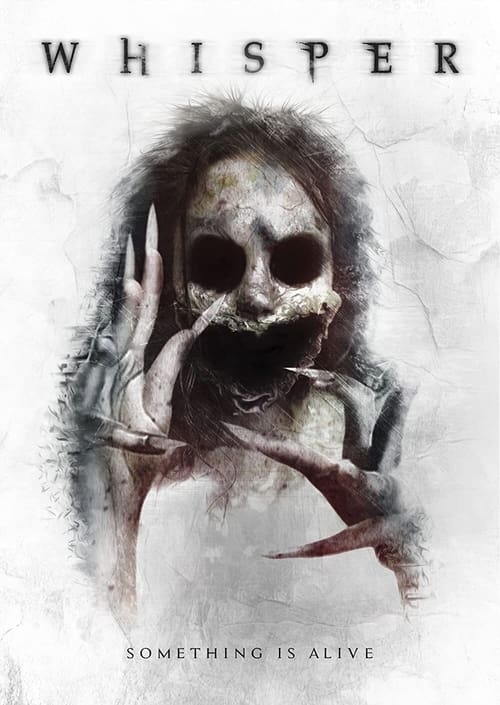
Whisper
2022
No user ratings available yet
Representation score: 2.3 out of 10

Representation Score
Good
2026
Director
Adam O'Brien
Runtime
84 minutes
Average Rating
No ratings yetNew Showbiz Analysis
Bury the Devil anchors its horror in the intimate, high-stakes environment of hospice care. By placing a female nurse at the center of the survival narrative, the film ensures that Julia’s competence and resilience define the pacing and stakes. This approach avoids relying on male saviors, instead letting her expertise and fear drive the action forward. The portrayal of dementia stands out for its seriousness. Rather than using the condition as a cheap jump scare or a source of ridicule, the film treats it as a complex, ongoing reality that complicates the protagonist’s situation. This respect for the disability adds a layer of emotional weight to the supernatural elements. However, the film’s diversity metrics remain limited. The cast lacks racial and ethnic variety, and there is no representation of LGBTQ+ identities. While the gender dynamics favor the female lead, the absence of other perspectives keeps the social scope narrow. The result is a tight, character-driven thriller that excels in specific areas but does not offer broad representation.
Category Breakdown
The film features no LGBTQ+ characters or same-sex romance. Julia’s history with Randall is presented as a standard heterosexual marriage. The narrative stays focused on her immediate caregiving duties and survival.
Julia drives the plot as the sole survivor and primary decision-maker. She manages the crisis and confronts the threat directly. Men appear only as background figures or deceased partners.
The cast includes Emmanuelle Lussier Martinez and Bill Rowat, though specific ethnicities are not detailed. The story centers on a white female nurse and her elderly patient. No other characters are identified in the material.
Faith is present through hymns and prayer, framing the horror in a spiritual context. Family dynamics appear through Julia’s strained relationship with her father. Traditional caregiving is portrayed as a demanding, isolating burden.
Dementia is a central plot element, portrayed as a lived condition affecting behavior and memory. It is not used for mockery but serves as the source of supernatural tension. The illness drives the narrative conflict.
Present on Screen
Limited or Absent
Official Synopsis
When a hospice nurse finds herself trapped with a dementia patient, she begins to suspect something else is wrong with the woman, something otherworldly, and must fight to survive the night.
2022
2006
2015

2024
2022

2006

2024
2019
No reviews yet. Be the first to share your thoughts on this movie!
Use the rating form above to leave a star rating and optional review.