Halgato
1995
No user ratings available yet
Diversity score: 5.6 out of 10
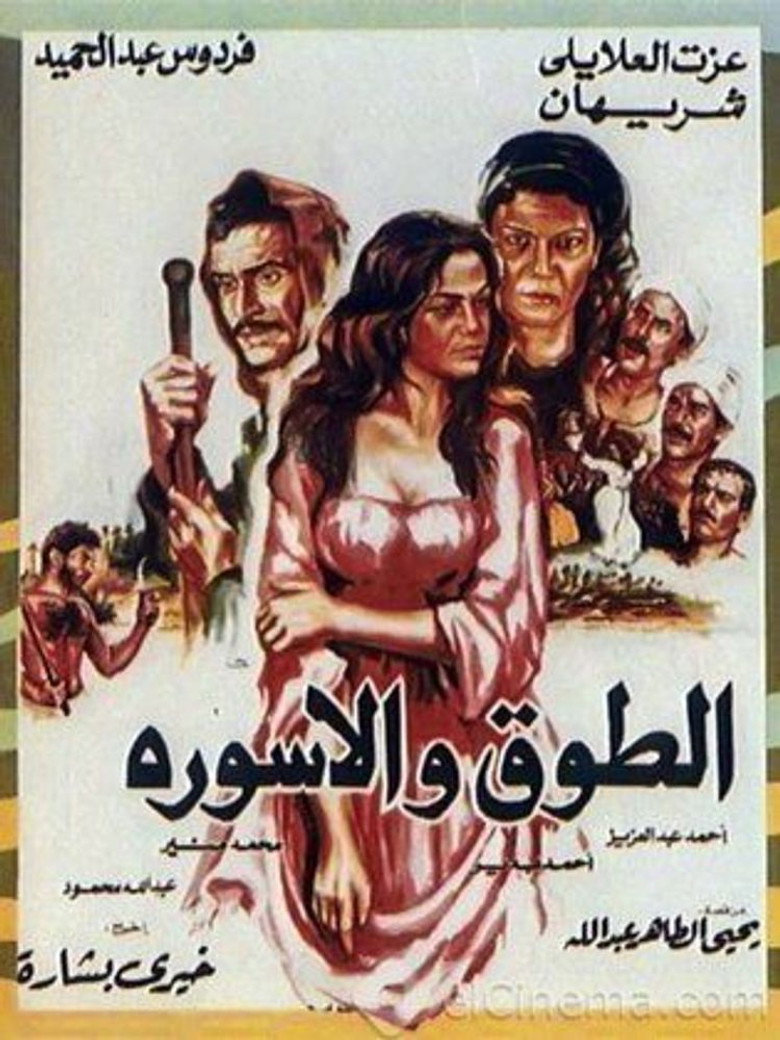
1986
Director
Khairy Beshara
Runtime
115 minutes
Average Rating
No ratings yetSynopsis
In 1933 in the village of Karnak in Luxor, sad lives with her husband Bakhit Bishari paraplegic and TB disease.
Overall Score
Fair
Category Breakdown
LGBTQ+ Representation
The film adheres to a traditionalist rural framework. There are no visible non-cisnormative identities or narratives that critique heteronormativity within the social fabric.
Gender Representation
The narrative depicts the restrictive patriarchal hierarchies of 1930s rural Egypt. While it highlights the limitations placed on women, characters often function as subjects of these hierarchies rather than agents of subversion.
Racial & Ethnic Diversity
The production excels in authentic cultural grounding by centering an entirely Egyptian and Arab cast. This avoids a Western-centric gaze and remains deeply embedded in its specific regional context.
Religious & Cultural Diversity
The film uses social realism to critique traditional village structures and communal policing. It portrays these institutions as forces of entrapment rather than sources of stability for the rural lower class.
Disability Representation
Bakhit Bishari is portrayed as a paraplegic suffering from tuberculosis. The film treats his condition with gravity, focusing on the grim implications of chronic illness rather than using him as a plot device.
Strengths
Areas for Improvement
AI Analysis
Khairy Beshara’s work is a powerful example of Egyptian realism, prioritizing authentic regional identity and a critique of systemic social entrapment. The film succeeds in providing a grounded, non-Western perspective by centering local casting and specific cultural landscapes. However, the film remains bound by the traditionalist structures it depicts. While it critiques these hierarchies, it does not offer much representation for LGBTQ+ identities or significant subversion of gendered roles, often portraying characters as victims of their environment. Ultimately, the film's strength lies in its unflinching look at disability and the socioeconomic struggles of the rural poor, offering a somber, realistic view of human frailty.
No reviews yet. Be the first to share your thoughts on this movie!
Use the rating form above to leave a star rating and optional review.