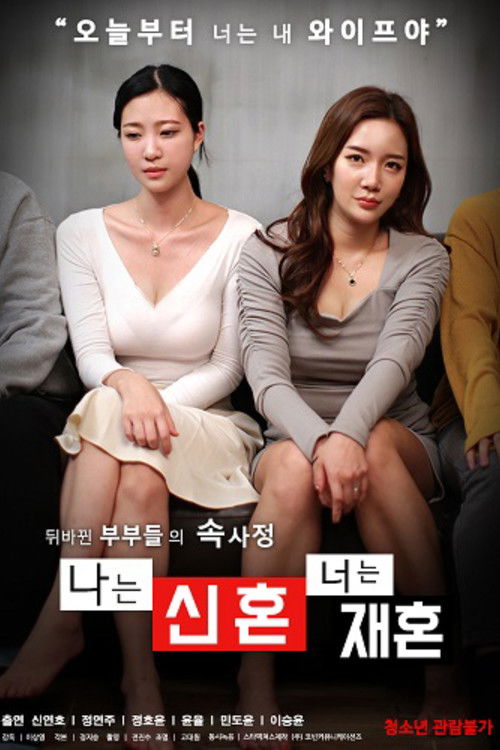
나는 신혼 너는 재혼
2021
No user ratings available yet
Representation score: 0.8 out of 10
Representation Score
Limited
2020
Average Rating
No ratings yetNew Showbiz Analysis
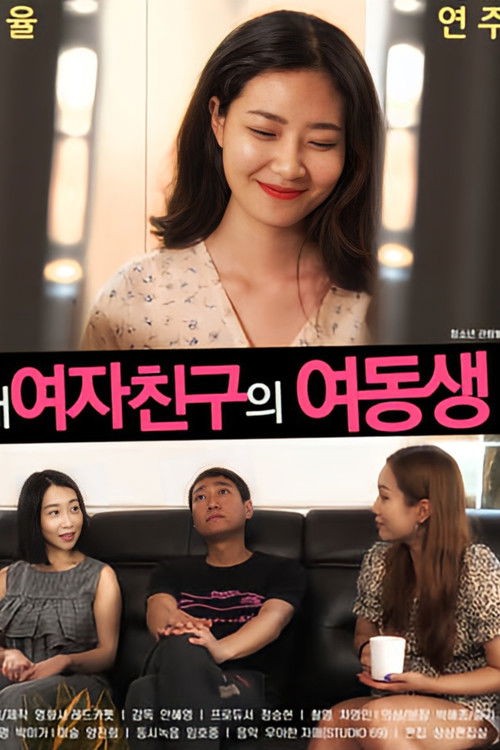
The film opens in a warm, enclosed domestic space, immediately establishing the intimate container for its central tension. It sells a fantasy of female dominance and male submission, using the "sister" label as a shield to frame the transgression as innocent and inevitable. Yoon Yool is the visual and moral center, framed with soft lighting that emphasizes her beauty and control, while Min Do-yoon is lit to look approachable and safe, often caught in reaction shots that reinforce his subordinate position. The camera loves her; he is the running gag, his fumbling and confusion treated as endearing slapstick rather than genuine struggle. The sold meaning is that feelings matter more than labels. The film argues that the emotional connection between the two leads is stronger and more authentic than the formal ties of the original couple, positioning the chosen bond as the ideal. The "sister" role is a mask for a power dynamic where the woman holds the cards, and the man is willingly complicit. The dialogue may suggest a performative struggle with propriety, but the pictures show a woman fully in control and a man whose harm is never billed as tragic. The ending settles on Yoon Yool’s terms. A final close-up captures her complex expression—part amusement, part resignation, part affection—leaving the ambiguity of the dynamic hanging in the air. She never pays a social or moral price for crossing the boundary, remaining the "good" woman even as she defies traditional familial roles. The film’s moral verdict is clear: the unconventional is rewarded, the transgression is natural, and the camera’s affection is exclusively hers.
Category Breakdown
No queer characters or intimacy appear. The narrative tracks a straight dynamic between a man and his girlfriend’s sister. Identity themes remain absent from the screen.
Yoon Yool anchors the film as the decisive agent who defines the relationship’s terms. Min Do-yoon functions as the reactive partner whose confusion is played for light comedy rather than tragedy.
The cast consists entirely of Korean actors reflecting the domestic setting. No non-white characters or intercultural dynamics are depicted. Diversity remains limited to the national context.
Traditional familial boundaries are treated as flexible obstacles to personal desire. The "sister" label sanitizes the transgression, positioning emotional authenticity over rigid social propriety as the moral good.
No characters with physical, sensory, or cognitive impairments are present. Disability is not a plot element, character trait, or thematic concern in this installment.
Present on Screen
Limited or Absent
2021

2019

2021
2020

2020
2020

2020

2022
No reviews yet. Be the first to share your thoughts on this movie!
Use the rating form above to leave a star rating and optional review.