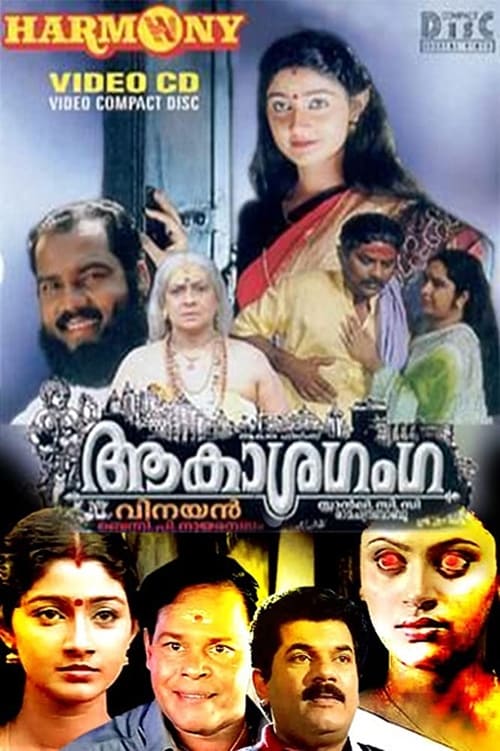
Aakasha Ganga
1999
No user ratings available yet
Representation score: 3.7 out of 10
Representation Score
Minimal
2002
Director
Anil Kumar, Babu Narayanan
Runtime
160 minutes
Average Rating
No ratings yetNew Showbiz Analysis
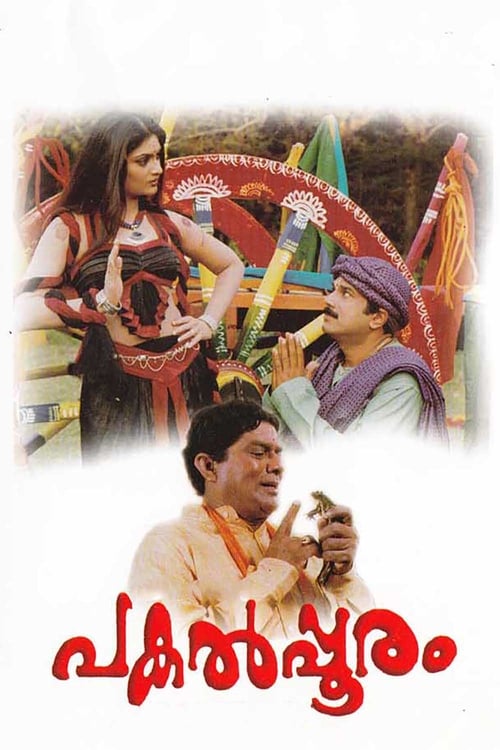
Pakalpooram operates as a traditional genre piece rooted in localized folklore. The narrative structure prioritizes the maintenance of established social and familial hierarchies over progressive subversion. The film centers on themes of lineage and spiritual duty. This focus limits the inclusion of diverse identities, as the conflict is driven by traditional patriarchal structures and ancestral vengeance. While the film offers authentic representation of its specific regional setting, it does not explore multi-layered identities or deconstruct traditional institutions.
Category Breakdown
The story revolves around ancestral vengeance and supernatural containment. There are no non-binary or LGBTQ+ identities represented, nor any critique of the assumption that everyone is straight or cisgender.
The plot reinforces patriarchal hierarchies through a male protagonist reclaiming paternal lineage. While Seemathini is central, her role remains secondary to male-driven missions.
The film reflects a specific regional ethnic milieu in Sooryamagalam. It lacks a multi-ethnic cast or exploration of broader racial diversity.
The story is deeply embedded in traditional Hindu Brahmin motifs and spiritual norms. It prioritizes the preservation of ancestral dignity and established social hierarchies.
The available information provides no mention of characters with visible or invisible disabilities. No assessment of neurodivergence or physical impairment is possible.
Present on Screen
Limited or Absent
Official Synopsis
This story is set in Sooryamagalam. Years ago, Brahmadattan Namboothiri tamed and contained an evil spirit. Before being tamed, however, the evil spirit vowed vengeance on his family by killing his son. 30 years later, Brahmadattan's youngest son, Gauridasan (Mukesh) returns to the house unexpectedly to restore the dignity of his mother and to claim to his paternal lineage. Gauridasan is assigned to tame the spirit, and in turn he meets Seemathini (Geethu Mohandas).
1999

2013

2010
2007

2019

2024

2021

2005
No reviews yet. Be the first to share your thoughts on this movie!
Use the rating form above to leave a star rating and optional review.