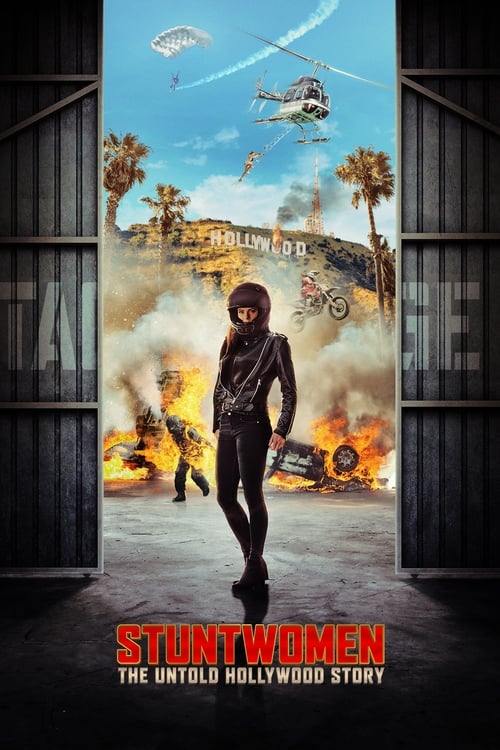
Stuntwomen: The Untold Hollywood Story
2020
No user ratings available yet
Representation score: 8.8 out of 10
No Poster Available
Representation Score
Limited
1940
ApprovedDirector
De Leon Anthony
Runtime
18 minutes
Average Rating
No ratings yetNew Showbiz Analysis
Spills for Thrills offers a detailed look at the physical labor involved in creating cinematic spectacles. It highlights the mechanical and physical efforts of stunt performers like Harvey Parry and Allen Pomeroy. The film's most notable aspect is its portrayal of gender roles. Featuring Mary Wiggins in a high-stakes professional setting provides a rare counter-narrative to the submissive femininity often depicted in 1940s media. However, the film reflects the limited racial and ethnic diversity typical of its era, functioning primarily as a celebration of the technical achievements of the American film industry.
Category Breakdown
The film does not explore any non-straight or non-cisgender identities.
Mary Wiggins is portrayed as a central stunt performer, challenging the traditional gender roles of the 1940s by showing women in physically demanding jobs.
The cast appears to match the typical demographics of 1940s Hollywood, lacking significant racial or ethnic diversity.
The film focuses on the technical aspects of filmmaking within a capitalist context, avoiding any religious or cultural storytelling.
There are no characters or performers with visible or invisible disabilities in the film.
Present on Screen
Limited or Absent
Official Synopsis
Warner Bros. short about stuntmen and stuntwomen and how they do their work, featuring real-life stunt artists Harvey Parry, Mary Wiggins, and Allen Pomeroy.
2020
2012
2021
1999
2022
1949
1899
1935
No reviews yet. Be the first to share your thoughts on this movie!
Use the rating form above to leave a star rating and optional review.