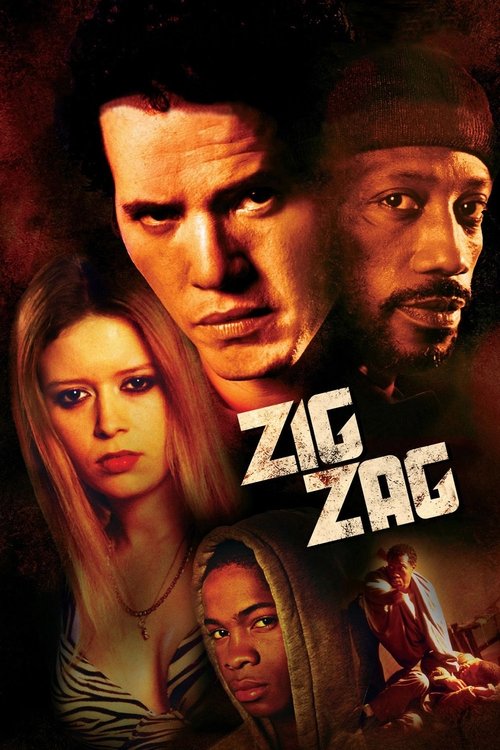
Zig Zag
2002
No user ratings available yet
Representation score: 4.2 out of 10

Representation Score
Fair
1990
RDirector
Rupert Hitzig
Runtime
104 minutes
Average Rating
No ratings yetNew Showbiz Analysis
Backstreet Dreams offers a gritty look at a man caught between a violent lifestyle and his devotion to his neurodivergent son. The film's strongest element is its focus on disability, moving beyond incidental depictions to center an autistic character in the emotional core of the story. While the film subverts some patriarchal clichés by giving a woman psychological authority, it remains largely anchored in conventional frameworks. The narrative lacks explicit LGBTQ+ representation and relies on male-driven conflict to propel the plot forward. Ultimately, the film succeeds in portraying the complexities of neurodivergence and systemic struggle, even if it stays within the bounds of traditional dramatic structures.
Category Breakdown
The film centers on a traditional, fractured nuclear family without any explicit mention of LGBTQ+ characters or non-straight relationships.
Stevie Bloom subverts traditional male hierarchies by serving as an intellectual and moral authority. However, the central conflict is driven by male-centric violence and control.
The urban setting hints at engagement with socio-economic and possibly racialized power dynamics. However, specific character ethnicities are not explicitly mentioned.
The story explores moral relativism and the breakdown of traditional stability, focusing on an individual struggle for redemption rather than a broader systemic critique.
Shane provides significant neurodivergent representation by centering the plot on an autistic child. The narrative challenges clinical fatalism regarding his potential.
Present on Screen
Limited or Absent
Official Synopsis
Caught in the web of inner city violence, extortion and drugs, Dean Costello is a small-time gangster with big-time dreams for himself and his autistic son, Shane. When his marriage to Ludy falls apart the doctors tell Dean that there is no hope for his son, he turns to a wealthy child psychologist, Stephanie "Stevie" Bloom in a final effort to reach Shane. Stevie tries to convince Dean that he must commit himself to Shane and leave behind his life on the streets. But Dean's violent world continues to haunt him, and threatens to destroy the dreams he has for his son, for himself, and for Stevie. In a final battle, he must face overwhelming odds... alone.
2002
1992

1997

1988
1993
1983
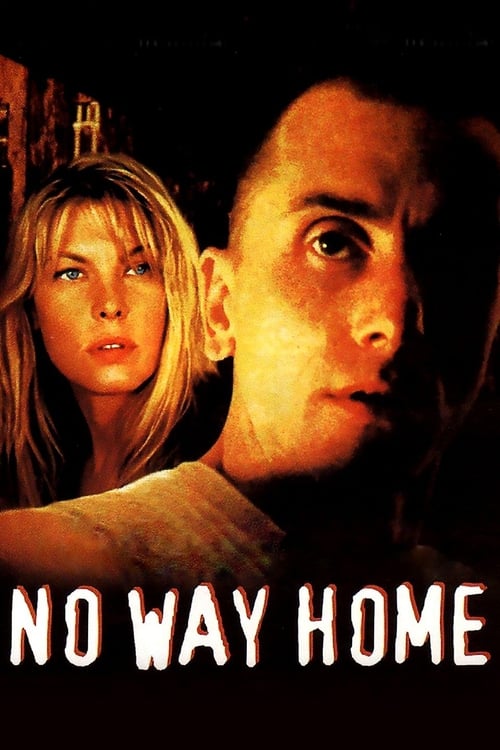
1997

2010
No reviews yet. Be the first to share your thoughts on this movie!
Use the rating form above to leave a star rating and optional review.