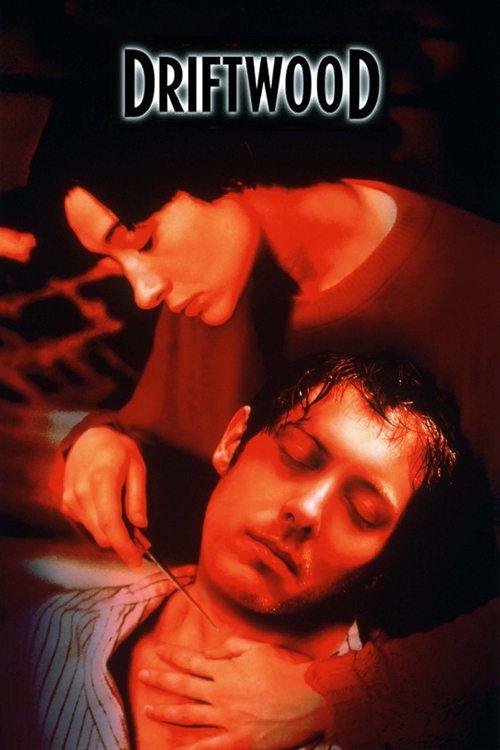
Driftwood
1997
No user ratings available yet
Diversity score: 3.7 out of 10

2003
RDirector
Michael D. Akers
Runtime
90 minutes
Average Rating
No ratings yetSynopsis
Questions about the identity of an amnesiac threaten his romance with the park ranger who rescued him.
Overall Score
Limited
Category Breakdown
LGBTQ+ Representation
The film follows traditional romantic drama tropes. The narrative focuses on a romance between an amnesiac and a park ranger without evidence of non-cisnormative identities.
Gender Representation
A female park ranger holds a position of authority as the rescuer. This departs from damsel in distress tropes, though her intellectual agency remains unexamined.
Racial & Ethnic Diversity
The film provides no verifiable information regarding the racial or ethnic composition of the cast. There is no evidence of diverse ensemble dynamics or race-bent casting.
Religious & Cultural Diversity
The story centers on individual psychological struggles rather than critiques of Western institutions or religion. It relies on established moral frameworks common to the thriller genre.
Disability Representation
Amnesia serves as the central narrative driver and cognitive impairment. It is unclear if this provides nuanced representation or simply functions as a convenient plot device.
Strengths
Areas for Improvement
AI Analysis
Gone, But Not Forgotten operates as a conventional genre piece, leaning heavily on established thriller and romance tropes. The narrative structure prioritizes psychological mystery over social commentary, resulting in a limited exploration of intersectional identities. While the film offers a slight departure from gender stereotypes by featuring a female professional in an authoritative role, it lacks the depth to suggest a systemic subversion of hierarchies. The focus remains on individual identity rather than broader cultural or institutional critiques. Ultimately, the film lacks the specific character details or diverse ensemble dynamics necessary to move beyond a neutral, traditional storytelling approach.
No reviews yet. Be the first to share your thoughts on this movie!
Use the rating form above to leave a star rating and optional review.