
Sovereign: Six Times São Paulo
2010
No user ratings available yet
Representation score: 5.2 out of 10
Representation Score
Fair
2011
Director
Márcio Cavalcante
Runtime
100 minutes
Average Rating
No ratings yetNew Showbiz Analysis
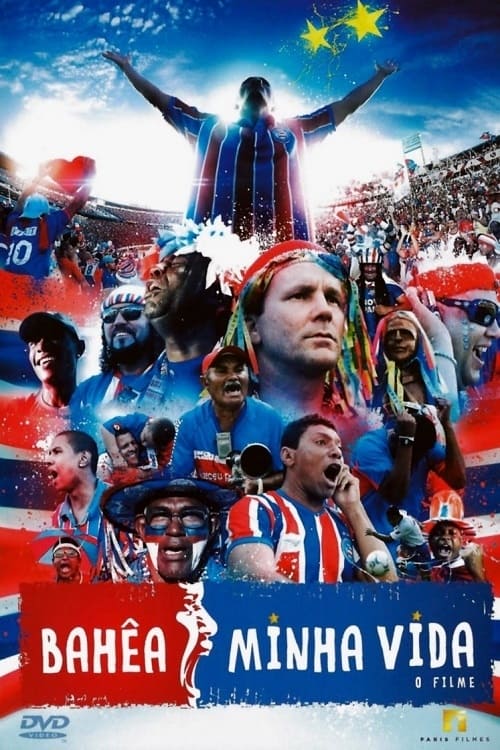
Bahêa, Minha Vida is a significant piece of regional cinema that prioritizes Afro-Brazilian authenticity over globalized clichés. It uses a slow cinema style to offer a dignified, non-stereotypical portrayal of underrepresented socioeconomic identities. The film's main strength lies in its multi-layered approach to race and class. By focusing on the lives of Black characters within the specific context of Bahia, it successfully challenges white-centric storytelling conventions. However, the film is limited by its narrow focus. It lacks explicit representation of LGBTQ+ identities or disability, and the narrative remains largely centered on male-driven routines.
Category Breakdown
The film does not include visible LGBTQ+ narratives or non-traditional gender expressions. The story focuses on everyday routines without challenging assumptions about heterosexual relationships.
The narrative centers around male experiences and male-driven activities. While it does not reinforce harmful gender hierarchies, the story remains focused on traditional gender roles.
The film stands out by highlighting Afro-Brazilian urban life in Salvador. It avoids stereotypes and offers a nuanced portrayal of Black characters with real influence and depth.
The story emphasizes the dignity of working-class individuals and the monotony of urban labor. It avoids idealized Western success stories and presents a realistic, socio-economic perspective.
There are no prominent depictions of visible or invisible disabilities that drive the narrative or serve as central character arcs.
Present on Screen
Limited or Absent
Official Synopsis
In 1960, Esporte Clube Bahia won the first of its two gold stars. Fifty years later, the film recalls the glory and investigates the trajectory of one of the most popular institutions in football.
2010

2021

2010
2013

2009
2014

2009

2022
No reviews yet. Be the first to share your thoughts on this movie!
Use the rating form above to leave a star rating and optional review.