The Boss
1956
No user ratings available yet
Representation score: 1.2 out of 10
Representation Score
Limited
1956
NRDirector
Allan Dwan
Runtime
99 minutes
Average Rating
No ratings yetNew Showbiz Analysis
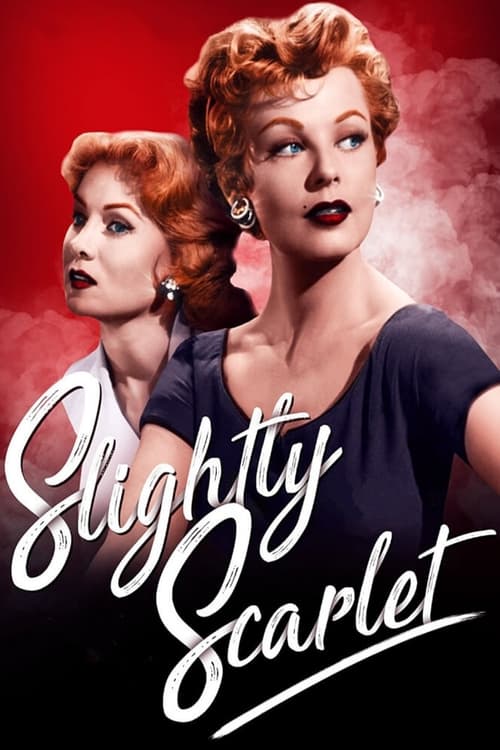
Slightly Scarlet functions as a typical mid-century crime thriller that upholds traditional social hierarchies. While the female lead is central, her actions are framed through conventional melodrama rather than challenging power dynamics. The film lacks diverse representation, focusing instead on a narrow, homogeneous social landscape and relying heavily on established genre clichés and mid-century gendered expectations.
Category Breakdown
The film adheres to the conventions of 1950s cinema, focusing on romantic tension between a female protagonist and a male associate of a crime boss.
Dorothy Lyons uses her kleptomania and seductive tactics to play a significant role in driving the story. However, the film relies on the 'femme fatale' archetype, where female sexuality is used primarily to manipulate others.
The cast and setting appear predominantly homogeneous, with no significant racial blending or characters of color having meaningful roles.
The story examines political corruption and the tension between reputation and criminal activity. It lacks a critical look at Western institutions such as religion or capitalism.
Kleptomania is used as a plot device, but the film does not explore neurodivergence or mental health issues in depth.
Present on Screen
Limited or Absent
Official Synopsis
Kleptomaniac Dorothy Lyons is paroled from prison into the custody of her sister June, secretary to "reform" politician Frank Jansen. Ben Grace, associate of crime boss Sol "Solly" Caspar, sees this as a way to smear Jansen's campaign. Seductive Dorothy will do anything to get what she wants, which includes having a good time with Ben-- whom June is now in love with.
1956

1952

1965

1949
1956
1945
1950
1950
No reviews yet. Be the first to share your thoughts on this movie!
Use the rating form above to leave a star rating and optional review.