
A Copy of My Mind
2016
No user ratings available yet
Representation score: 7.4 out of 10
Representation Score
Excellent
2006
Not RatedDirector
Kim Yong-man
Runtime
88 minutes
Average Rating
No ratings yetNew Showbiz Analysis
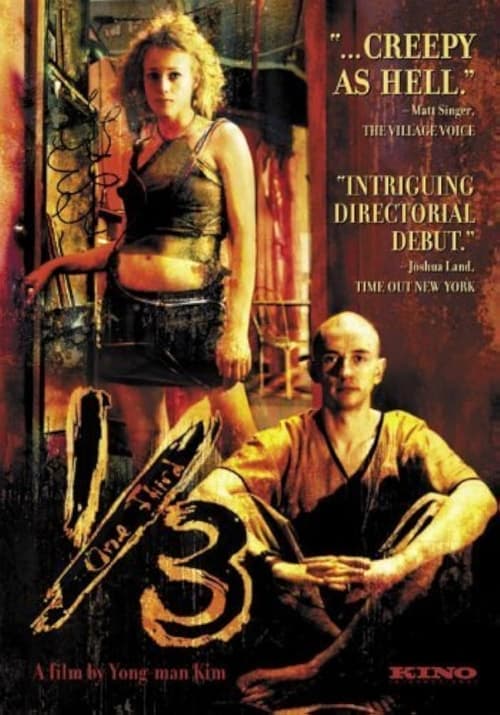
One-Third is a character study that explores the tension between systemic hardship and spiritual observation. By centering a underrepresented teenage prostitute, the film moves away from traditional institutional narratives to focus on the disenfranchised. The narrative's strength lies in its dual-perspective framework. Contrasting a crime-ridden reality with a contemplative Buddhist lens allows for a nuanced critique of social stability and morality. While the film offers significant cultural depth, it lacks specific information regarding LGBTQ+ identities or disability representation, leaving those areas at a neutral baseline.
Category Breakdown
The film does not provide clear indications of the sexual orientations or gender identities of its characters. There are no explicit representations of LGBTQ+ identities or non-straight relationships.
The story focuses on a female protagonist navigating extreme systemic vulnerability. It challenges traditional depictions of female innocence by depicting the harsh realities of a teenage sex worker.
The setting and Buddhist themes suggest a specific East Asian cultural context. The narrative prioritizes a non-Western perspective to explore localized social issues.
The film engages deeply with non-Western philosophical frameworks. Using a Buddhist lens to observe crime disrupts traditional Western moral binaries and critiques social structures.
There is no information available regarding the depiction of physical disabilities or neurodivergence within the film's context.
Present on Screen
Limited or Absent
Official Synopsis
A tragic tale of an individual teen prostitute as seen from the lens of her Buddhist neighbor.
2016

2004

1997

2007

2016
2013

2002
2011
No reviews yet. Be the first to share your thoughts on this movie!
Use the rating form above to leave a star rating and optional review.