
The Great Adventure
1969
No user ratings available yet
Representation score: 2.9 out of 10
Representation Score
Minimal
1976
GDirector
Christopher Cain
Runtime
82 minutes
Average Rating
No ratings yetNew Showbiz Analysis
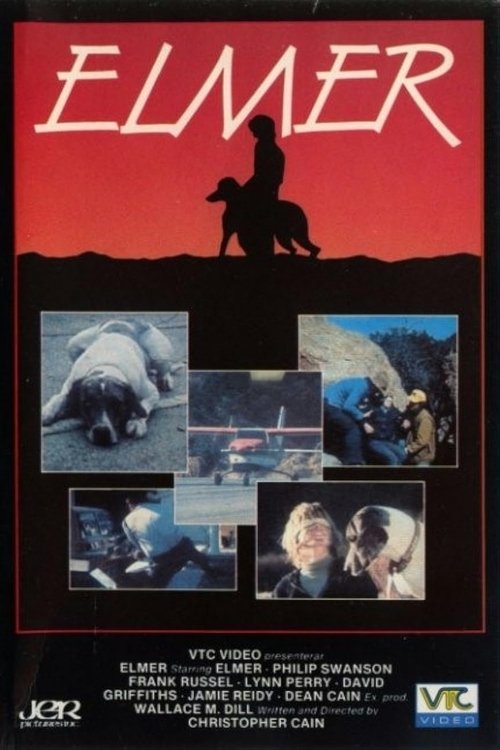
Elmer opens with a simple premise: an old dog who believes he is young. This setup drives a straightforward family adventure where the dog’s confusion creates mild chaos, resolved by human intervention. The film’s argument is that age and obedience are virtues, with the dog’s eventual acceptance of his status serving as the moral lesson. There is no tension between the billed plot and the ending; the narrative consistently reinforces traditional hierarchies of age, species, and gender. The last image likely shows the dog settled into his role, affirming the status quo. As a 1976 family film, Elmer reflects the era’s comfort with conventional structures, offering no critique or subversion. Its appeal lies in its simplicity and warmth, not in challenging norms. The camera loves the dog’s earnestness, but the human characters remain static, serving as a backdrop for the canine protagonist’s journey. The film’s strength is its clarity; its limitation is its lack of depth. It does not seek to invert defaults but to affirm them, making it a safe, if unremarkable, entry in the family genre.
Category Breakdown
No queer characters or intimacy appear. The narrative focuses entirely on canine behavior and human-dog interaction, leaving identity themes absent from this family adventure.
Men drive the plot and resolve conflicts, while women serve as supportive background figures. Female characters lack agency or distinct narrative arcs beyond domestic stability.
The cast is overwhelmingly white, reflecting the 1976 setting without addressing racial dynamics. Non-white characters are minimal and lack narrative depth or power.
Western family values are treated as the natural order. The film reinforces traditional hierarchies of age and species, positioning obedience and loyalty as moral virtues.
Elmer’s aging is framed as a comedic flaw rather than a lived experience. The dog’s confusion serves as a plot device for humor, not a representation of disability.
Present on Screen
Limited or Absent
Official Synopsis
Elmer is a huge hound dog with a big problem - he's quite old, but he thinks he's a pup. This gets poor Elmer into plenty of trouble.
1969
1966

1996
1963

2010
1972

2020

1993
No reviews yet. Be the first to share your thoughts on this movie!
Use the rating form above to leave a star rating and optional review.