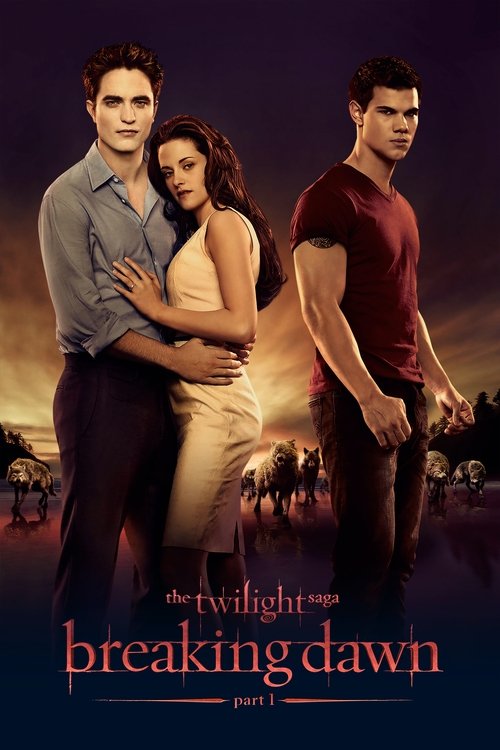
The Twilight Saga: Breaking Dawn - Part 1
2011
No user ratings available yet
Representation score: 5.4 out of 10
Representation Score
Fair
2012
PG-13Director
Bill Condon
Runtime
115 minutes
Average Rating
No ratings yetNew Showbiz Analysis
The film stands out by empowering Bella Swan, moving away from passive female roles to a more balanced power dynamic. However, this progress is limited, as the film remains centered on a homogeneous, white cast and a strict straight-centered framework. The narrative focuses on traditional family structures, avoiding broader social critiques. Ultimately, while Bella Swan's character gains strength and independence, the film's overall social context remains narrow and traditional, lacking engagement with diverse identities or systemic issues.
Category Breakdown
The film focuses solely on traditional heterosexual relationships and assumes everyone is cisgender. Romantic storylines and conflicts revolve around conventional pairings.
Bella Swan gains significant power and independence when she becomes a vampire, surpassing Edward Cullen. The female characters navigate complex vampire politics with strong influence and control.
The cast is predominantly white and Anglo-Saxon, with limited diversity. Supernatural clans do not represent meaningful racial or ethnic differences.
The story emphasizes the importance of family loyalty but upholds traditional family structures without challenging broader societal norms.
Supernatural transformations replace human vulnerabilities without addressing disabilities. The film does not portray neurodivergence or physical impairments in a meaningful way.
Present on Screen
Limited or Absent
Official Synopsis
After the birth of Renesmee, the Cullens gather other vampire clans in order to protect the child from a false allegation that puts the family in front of the Volturi.
2011
2017
2009

2009

2010
2002

2008

2014
No reviews yet. Be the first to share your thoughts on this movie!
Use the rating form above to leave a star rating and optional review.