
Diary of Seduction
2002
No user ratings available yet
Representation score: 4.8 out of 10
Representation Score
Limited
1972
Director
Demofilo Fidani
Runtime
85 minutes
Average Rating
No ratings yetNew Showbiz Analysis
Demofilo Fidani’s film operates within the exploitation and giallo traditions, prioritizing genre clichés over systemic social critique. While the protagonist's rejection of her bourgeois roots offers a moderate critique of social structures, the film remains anchored in the conventions of its era. The narrative provides a degree of female empowerment through Cristina's radical lifestyle shift, yet this is complicated by the central mystery. The shift from social rebellion to systemic vulnerability suggests a reliance on established genre patterns rather than progressive character development. Ultimately, the film lacks complexity in representing multiple aspects of identity. It focuses on a narrow demographic lens, failing to incorporate diverse racial, LGBTQ+, or disability-related perspectives, resulting in a score reflective of its 1970s genre origins.
Category Breakdown
The film does not include any characters with non-straight or non-cisgender identities. The story follows the protagonist's journey from a traditional family to a more transactional sexual environment.
Cristina challenges traditional gender hierarchies by rejecting her privileged upbringing for personal autonomy. However, the plot risks falling into the 'damsel in distress' cliché as she becomes a target of violence.
The film adheres to the demographic homogeneity typical of the Italian genre tradition. There is no evidence of non-white or non-Anglo-Saxon casting within the narrative.
The story critiques the stability of the middle-class social contract. It depicts a protagonist who rejects bourgeois morality, thereby challenging Western institutions.
There is no evidence of characters with visible or invisible disabilities. No such roles are indicated within the narrative framework.
Present on Screen
Limited or Absent
Official Synopsis
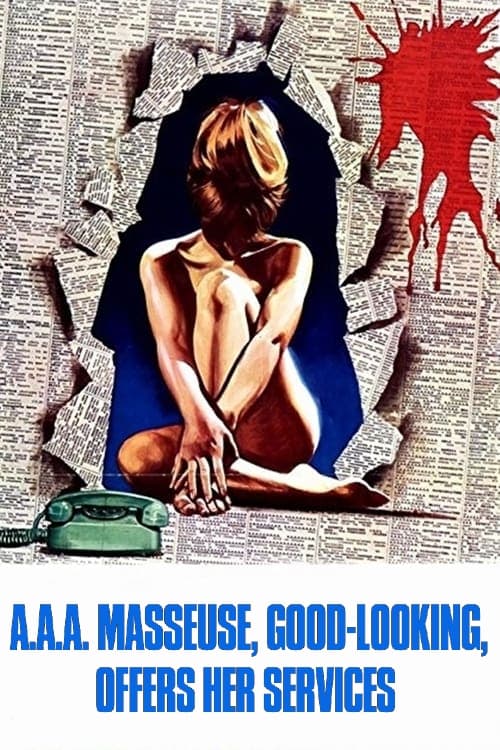
Cristina turns eighteen and leaves her bourgeois family to become a call-girl. But soon, her clients start turning up dead, their throats slashed. Who is responsible?
2002
1971

1992

1984
1967
1949
1997
1980
No reviews yet. Be the first to share your thoughts on this movie!
Use the rating form above to leave a star rating and optional review.