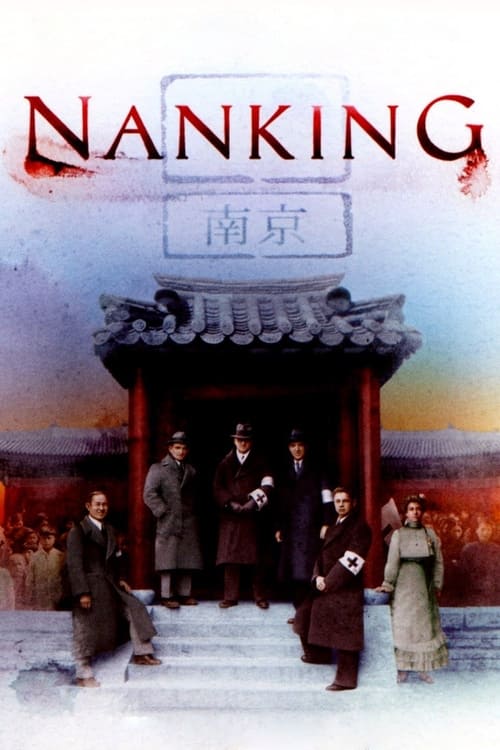
Nanking
2007
No user ratings available yet
Diversity score: 5.8 out of 10
2019
NRDirector
Sabina Fedeli, Anna Migotto
Runtime
92 minutes
Average Rating
No ratings yetSynopsis
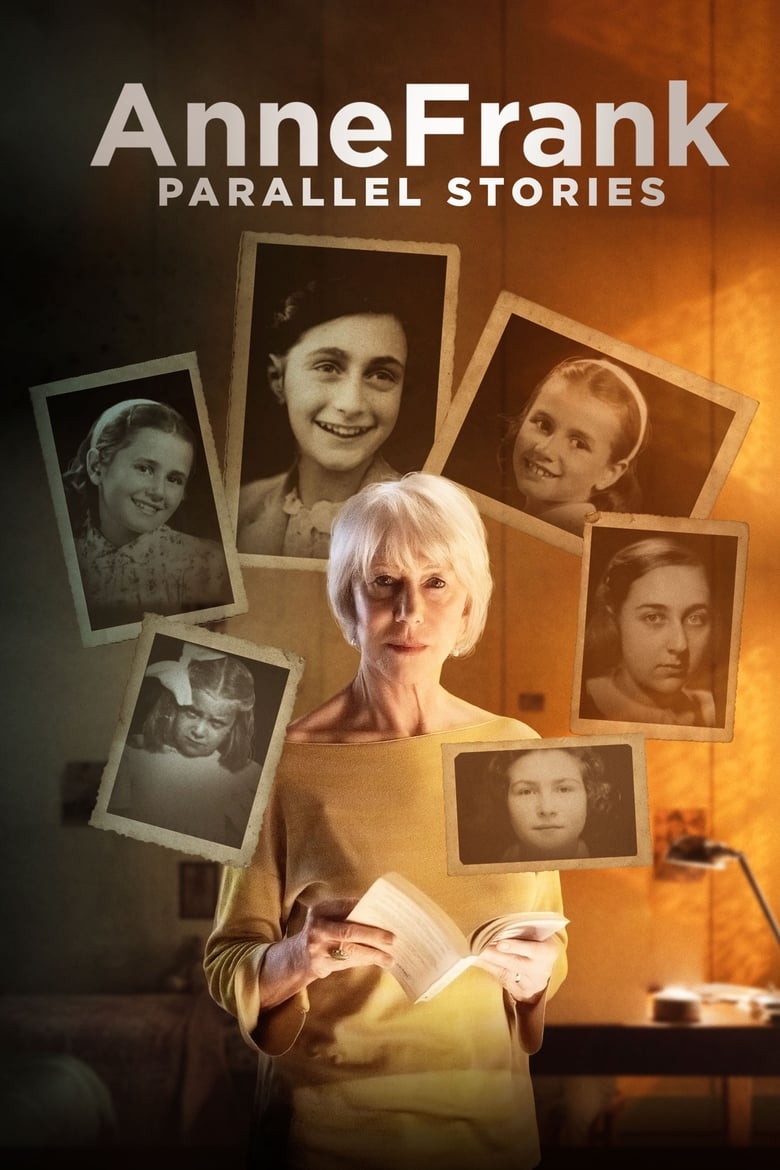
One single Anne Frank moves us more than the countless others who suffered just as she did but whose faces have remained in the shadows-Primo Levi. The Oscar®-winning Helen Mirren will introduce audiences to Anne Frank's story through the words in her diary. The set will be her room in the secret refuge in Amsterdam, reconstructed in every detail by set designers from the Piccolo Theatre in Milan. Anne Frank this year would have been 90 years old. Anne's story is intertwined with that of five Holocaust survivors, teenage girls just like her, with the same ideals, the same desire to live: Arianna Szörenyi, Sarah Lichtsztejn-Montard, Helga Weiss and sisters Andra and Tatiana Bucci. Their testimonies alternate with those of their children and grandchildren.
Overall Score
Good
Category Breakdown
LGBTQ+ Representation
The film does not feature explicit LGBTQ+ characters or narratives. The focus remains on the historical testimonies of Holocaust survivors and Anne Frank's diary.
Gender Representation
The film prioritizes female agency by centering the lived experiences of teenage girls and women. It elevates domestic and emotional experiences over traditional masculine or military historical lenses.
Racial & Ethnic Diversity
The narrative focuses on the Jewish experience and systemic persecution. While the survivors are ethnically homogeneous, the film studies a marginalized group facing existential erasure.
Religious & Cultural Diversity
The film critiques oppressive state structures through the eyes of victims. It uses personal testimony to challenge monolithic state narratives by prioritizing subjective truth and individual memory.
Disability Representation
There is no specific evidence regarding the portrayal of visible or invisible disabilities as a central narrative device, despite the inherent psychological trauma discussed.
Strengths
Areas for Improvement
AI Analysis
The film succeeds in humanizing historical tragedy by shifting the focus from macro-political events to the micro-personal experiences of women. By intertwining Anne Frank’s diary with the testimonies of five female survivors, it provides a necessary gendered perspective on the Holocaust. However, the narrative is ethnically homogeneous, focusing strictly on the Jewish experience of systemic oppression. While this is historically grounded, it does not offer a multi-ethnic perspective. Ultimately, the work functions as a reclamation of agency for those marginalized by systemic violence, emphasizing the continuity of identity across generations.
No reviews yet. Be the first to share your thoughts on this movie!
Use the rating form above to leave a star rating and optional review.