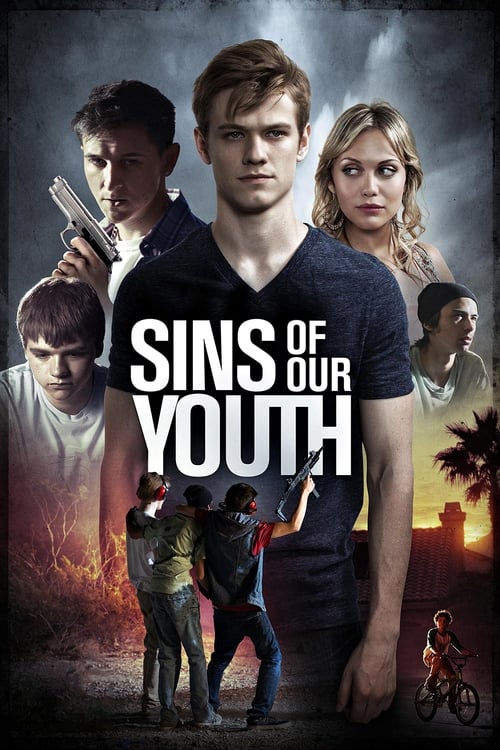
Sins of Our Youth
2014
No user ratings available yet
Representation score: 4.2 out of 10
Representation Score
Limited
2015
Director
Michael Cohn
Runtime
105 minutes
Average Rating
No ratings yetNew Showbiz Analysis
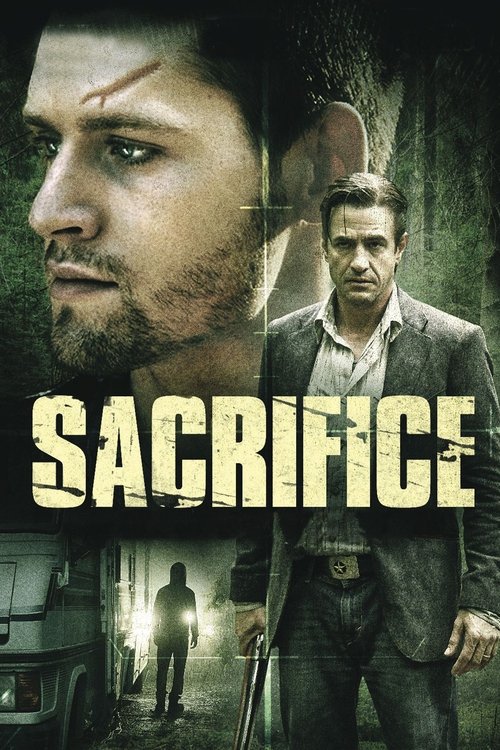
Sacrifice functions as a localized character study that prioritizes classical moral dilemmas over the deconstruction of social hierarchies. The narrative centers on the psychological weight of a tragic accident among adolescents in a small Texas town. By utilizing a homogeneous setting, the production focuses on individual accountability and conscience rather than identity-driven storytelling or systemic critique. Ultimately, the work remains within conventional dramatic bounds, offering a character-driven exploration of morality that lacks significant diversity in terms of race, gender, or queer visibility.
Category Breakdown
The film doesn't show any explicit LGBTQ relationships or characters experiencing same-sex intimacy. It does explore internal emotional struggles but doesn't include any openly queer characters.
The story focuses on interpersonal tensions within a small social group. However, it relies on conventional character archetypes without clear evidence of female characters driving the plot.
The ensemble cast is mostly white, reflecting the demographics of a small Texas town. The film doesn't use diverse ethnic backgrounds to challenge its specific setting.
Set within a standard Western, small-town framework, the film prioritizes individual morality. It lacks a systemic critique of institutions like religion or family, focusing instead on personal conscience.
There are no prominent depictions of visible or invisible disabilities within the story. As such, no representation is established for this category.
Present on Screen
Limited or Absent
Official Synopsis
Four teenagers from a small Texas town come face-to-face with their own consciences after a tragic accident.
2014
2004

2014
1986
2013
2017

2003

2004
No reviews yet. Be the first to share your thoughts on this movie!
Use the rating form above to leave a star rating and optional review.