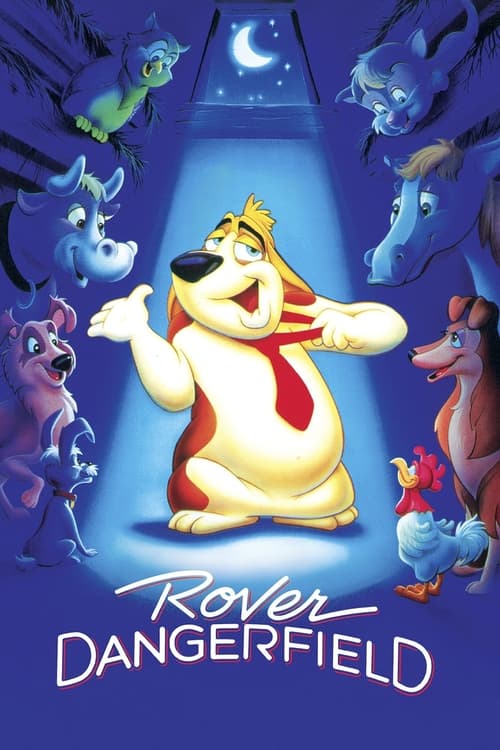
Rover Dangerfield
1991
No user ratings available yet
Representation score: 0.8 out of 10
Representation Score
Minimal
1999
Not RatedDirector
Michael Schoemann
Runtime
84 minutes
Average Rating
No ratings yetNew Showbiz Analysis
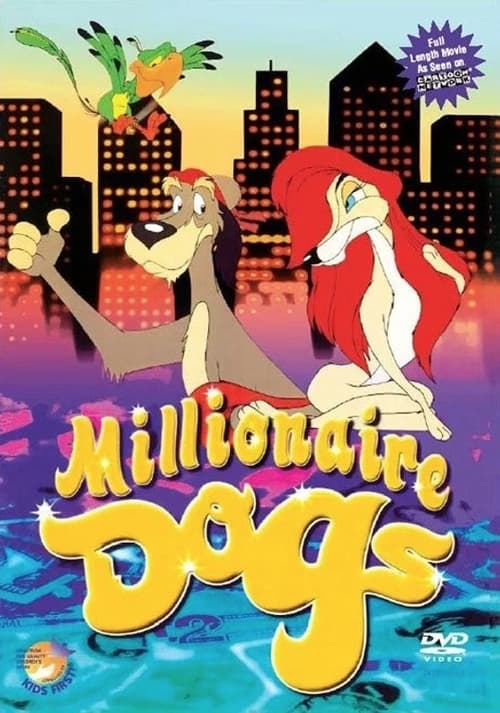
Millionaire Dogs is a conventional family animation that relies heavily on established genre clichés. The plot centers on a struggle for wealth and inheritance, using a standard animal fable structure to drive the conflict. The narrative lacks depth regarding multiple aspects of identity, focusing instead on the socioeconomic divide between the pets and their greedy human relatives. It functions as a traditional morality tale without challenging social hierarchies. Ultimately, the film prioritizes a simple story of survival and material success over complex social representation.
Category Breakdown
The film follows a traditional animal fable structure and does not include any non-cisgender identities or same-sex relationships.
Miss Lilly holds high socioeconomic status and plays a significant role as the estate owner. However, female pets like Bella and Velvet rely on conventional archetypes such as beauty and playfulness.
The story focuses on class dynamics between wealthy owners and scheming heirs. It lacks any indication of a diverse cast or characters reflecting multiple aspects of diversity.
Themes of inheritance and greed drive the plot through a Western morality lens. The narrative reinforces traditional views of material success and property ownership.
Characters are defined by temperament or social status. There is no portrayal of physical, sensory, or neurodivergent disabilities among the human or animal cast.
Present on Screen
Limited or Absent
Official Synopsis
Chuffie & JD, both street dogs, meet a talking parrot named Emmo who has lost his owner. The dogs try and eat Emmo, but in order to save his life, the parrot promises them a new home with his owner, the wealthy Miss Lilly. The two dogs feel right at home at their new mansion, along with Miss Lilly's other pets (all strays): the beautiful Bella, the frisky Velvet, and the guard dog Sherman. Unfortuantely, it doesn't take long for Miss Lilly to "kick the bucket", and the dogs' future is in jeapordy, especially since Miss Lilly's scheaming niece & nephew, Ronnie & Hannie, have had their eyes on the estate for quite some time. When the will reveals that the pets are to inherit the estate (including the mansion and one million dollars!), the twins decide to take matters into their own hands to try and get what they think they deserve. It's up to JD, Chuffie, Emmo, Bella, Sherman, and Velvet to stop the twins.
1991
1987
1985
1970
2013

1993
2005
1989
No reviews yet. Be the first to share your thoughts on this movie!
Use the rating form above to leave a star rating and optional review.