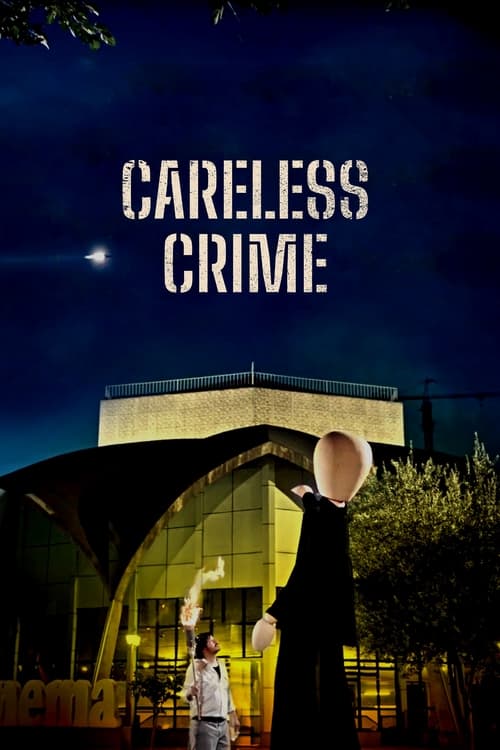
Careless Crime
2021
No user ratings available yet
Representation score: 6.0 out of 10

Representation Score
Fair
2012
PGDirector
Mohammadreza Farzad
Runtime
27 minutes
Average Rating
No ratings yetNew Showbiz Analysis
Blames and Flames is a historical exploration of the intersection of cinema and political upheaval in 1978 Iran. It uses the destruction of over 130 cinemas to examine the tension between media representation and revolutionary fervor. The film successfully centers a non-Western historical event, challenging traditional top-down historical accounts. By focusing on the 'unseen' populace, it critiques how institutional media can fail to represent the people it serves. While the film provides strong cultural and ethnic specificity, it lacks clear data on individual identity markers such as gender or LGBTQ+ representation. The narrative appears more focused on collective political ability to act than specific character-driven diversity.
Category Breakdown
The film focuses on the 1978 Islamic Revolution in Iran and does not include any explicit LGBTQ+ characters or identities.
The story highlights the roles of overlooked social groups but does not provide specific details about individual female characters or gender dynamics.
The narrative centers on the Iranian experience and the cultural history of Tehran, disrupting Anglo-centric views by focusing on Middle Eastern cultural hubs.
The film examines systemic oppression and the instability of institutions during radical transitions, prioritizing the perspectives of those displaced by shifting social orders.
There is no evidence of physical or neurodivergent disabilities being depicted in this work.
Present on Screen
Limited or Absent
Official Synopsis
In 1978, on the verge of Islamic revolution, more than 130 cinemas burned down across Iran, including 28 in Tehran. Who set them on the fire? How and why? If movies can predict revolutions, does any revolution see the revenge of people unseen on the silver screens?
No reviews yet. Be the first to share your thoughts on this movie!
Use the rating form above to leave a star rating and optional review.