
Godzilla Minus One
2023
No user ratings available yet
Representation score: 5.7 out of 10
Representation Score
Good
1991
Not RatedDirector
Kazuo Komizu
Runtime
73 minutes
Average Rating
No ratings yetNew Showbiz Analysis
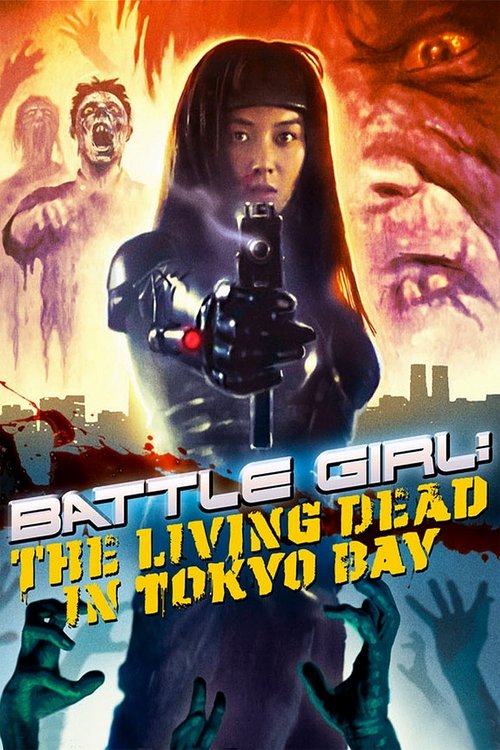
Battle Girl: The Living Dead in Tokyo Bay is a genre-driven exploration of societal disintegration. It prioritizes the chaos of a collapsing urban environment over diverse character identities, focusing instead on the breakdown of the social contract. The film excels in deconstructing institutional competence and offering a female-led perspective within a survivalist setting. However, it remains limited by the narrow focus on straight relationships and ethnically localized clichés common to early 1990s Japanese horror. Ultimately, the work serves as a localized examination of systemic failure, using a zombie outbreak to highlight the volatility of power dynamics in a fractured society.
Category Breakdown
The film does not include explicit queer narratives or non-cisgender identities. It centers on survival and action within a 1991 genre framework.
The title 'Battle Girl' implies a female protagonist navigating a male-dominated world. She likely serves as a key figure in surviving against both systemic and supernatural threats.
Set in Tokyo, the cast appears ethnically uniform. The story focuses on class-based conflicts and subcultural tensions rather than diverse ethnic backgrounds.
The story critiques institutional stability by showing the state as ineffective. It explores anti-authoritarian social structures through the lens of urban collapse and chaos.
Disability is primarily shown through the biological lens of the infected undead. There is no portrayal of neurodivergent or physical disabilities with real power.
Present on Screen
Limited or Absent
Official Synopsis
A meteor lands in Japan and the fallout creates a “shield” around Tokyo, encasing the city in a foggy darkness. A state of martial law is declared. People are in a panic as violent crime and corruption spreads throughout the region and punk gangs are ruling the streets. As if things weren’t bad enough, a chemical reaction from the meteor unleashes a deadly virus and now the dead are coming back to life as flesh-eating zombies!
2023
1995
2014

2000
1980
2005
1980

2016
No reviews yet. Be the first to share your thoughts on this movie!
Use the rating form above to leave a star rating and optional review.