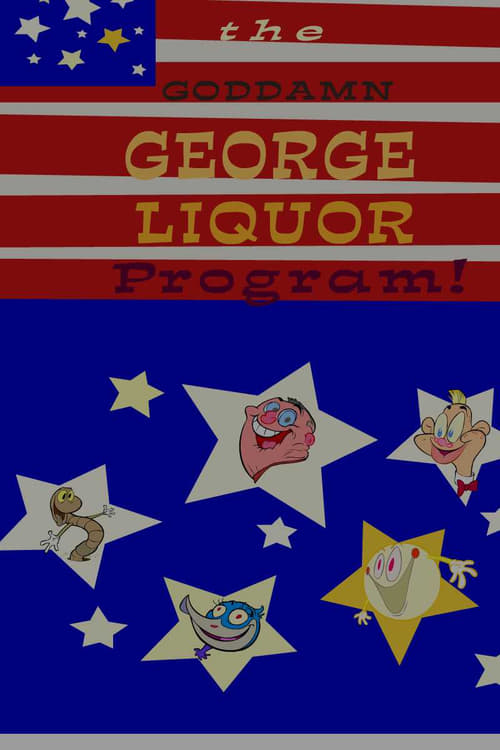
The Goddamn George Liquor Program
1997
No user ratings available yet
Representation score: 0.5 out of 10
Representation Score
Limited
2007
TV-MARuntime
11 minutes
Average Rating
No ratings yetNew Showbiz Analysis
The film opens at a party where young adults claim it is the best they have ever attended, a moment that immediately frames the narrative as a celebration of Black communal joy. This setting is not incidental; it is the thesis. The story moves from this present-day gathering to a historical recounting of Freaknik, a massive Black cultural event, positioning the past as a golden age of autonomy and excess. The camera loves this world. It treats the internal dynamics of the Sweet Tea Mobsters and the secret society of the Boule with the same weight as any epic quest, validating these specific cultural codes as the story’s moral center. The sold meaning is clear: Black culture is a self-sustaining ecosystem with its own rules, heroes, and villains. The police are not just law enforcement; they are the external force that "killed" Freaknik, making the state an illegitimate intruder into this space. This framing is consistent throughout. The characters do not seek approval from outside institutions; they seek recognition within their own. The "Boule," a parody of Black elite leadership, reinforces this by creating a hierarchy based on cultural contribution rather than mainstream success. The ending settles this argument. The narrative does not resolve through assimilation or compromise with the white world. Instead, it affirms the power of the internal community. The characters’ journey is not about changing the system but about understanding their place within their own. This is a traditional hierarchy, but it is a Black one, treated as good and unmarked by external judgment. The film’s argument is that cultural cohesion is the highest value, and the last image reinforces this by leaving the viewer in the world of the characters, not in a space of reconciliation. It is a specific, unapologetic vision of Black life, where the community’s internal logic is the only law that matters.
Category Breakdown
No queer characters or same-sex intimacy appear. Romantic dynamics remain strictly heterosexual, with no non-binary identities or gender variance marked in the narrative or voice cast.
Women serve as background figures or prizes, such as the “hoes” reward. Men dominate as rappers and mobsters, with no female competence or moral authority shown on screen.
The entire cast is Black, voiced by prominent artists. The plot centers Black culture and internal dynamics, with no white characters or perspectives framing the narrative.
Black institutions like the Boule and Freaknik drive the plot. Police are framed as external threats, celebrating internal cohesion and heritage over assimilation.
No disabled characters or impairments are depicted. The cast is physically able-bodied, and disability is not a narrative element or visual feature.
Present on Screen
Limited or Absent
Official Synopsis
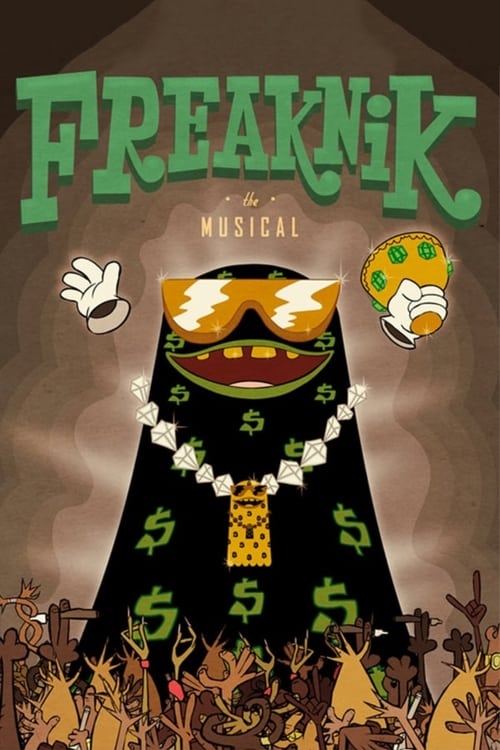
Created by Nick Weidenfeld, Jacob Escobedo, and Mike Weiss, and a third mysterious figure of Williams Street, and starring David Banner. Pilot aired on May 13, 2007. The show idea was scrapped and later produced into the hour-long special Freaknik: The Musical, which first aired on March 7, 2010.
1997
2023
2010
2009

2007
2007
1997

1995
No reviews yet. Be the first to share your thoughts on this movie!
Use the rating form above to leave a star rating and optional review.