
Mr. Troop Mom
2009
No user ratings available yet
Representation score: 4.1 out of 10

Representation Score
Limited
2003
Director
Patrick Volson
Runtime
95 minutes
Average Rating
No ratings yetNew Showbiz Analysis
The film incorporates cross-cultural family dynamics, providing a diverse perspective through the inclusion of a Tahitian character. However, the narrative structure relies heavily on traditional family structures and conventional social roles. Female characters primarily serve as catalysts for the male protagonist's growth, lacking independent ability to act. While the film avoids harmful stereotypes, it does not fully embrace complex, multi-layered narratives.
Category Breakdown
The story focuses on a heterosexual parental separation and the reintroduction of a daughter into her father's life. There are no representations of LGBTQ+ identities or narratives that challenge the assumption that everyone is straight or cisgender.
The film includes a male authority figure whose arc evolves from rigid leadership to emotional vulnerability. Female characters play a significant role in disrupting the male protagonist’s world, but they do not have independent, actively leading subplots.
The introduction of Laura, who comes from Tahiti, adds a Pacific Islander background to a French setting. This diversifies the cast and breaks the purely Eurocentric narrative.
The narrative highlights traditional social cohesion and the educator's role as a community protector. It follows conventional family storytelling without challenging Western institutions.
There are no visible or invisible disabilities mentioned in the narrative. No specific data is available to assess this category.
Present on Screen
Limited or Absent
Official Synopsis
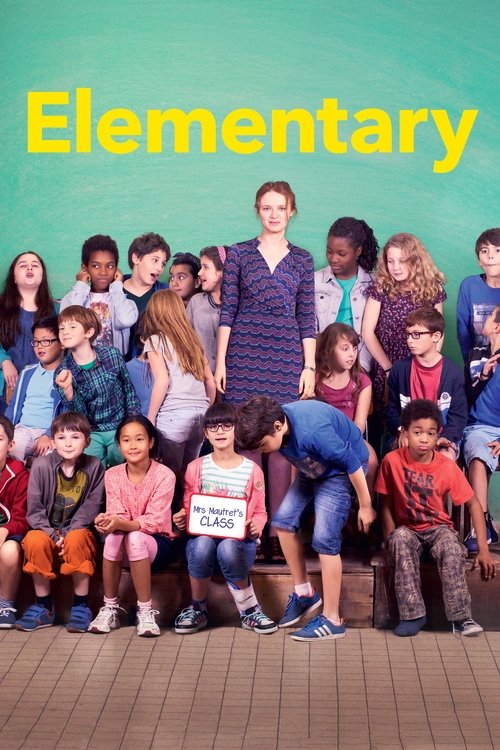
François, director of a primary school, teaches third graders. It's a demanding position, leaving him little time for his private life. But he is committed. At the beginning of the school year, his daughter has come to stay with him. Laura is 14 and has arrived from Tahiti with her mother for the first time after his separation, shaking up his calm existence. In the school courtyard, behind the playful games and laughter of the kids, their cries mask problems they struggle with on a day to day basis. Francois is more than a teacher, he's a friend and a protector.
2009

2019
2017

2005

2012

2016

2023

2006
No reviews yet. Be the first to share your thoughts on this movie!
Use the rating form above to leave a star rating and optional review.