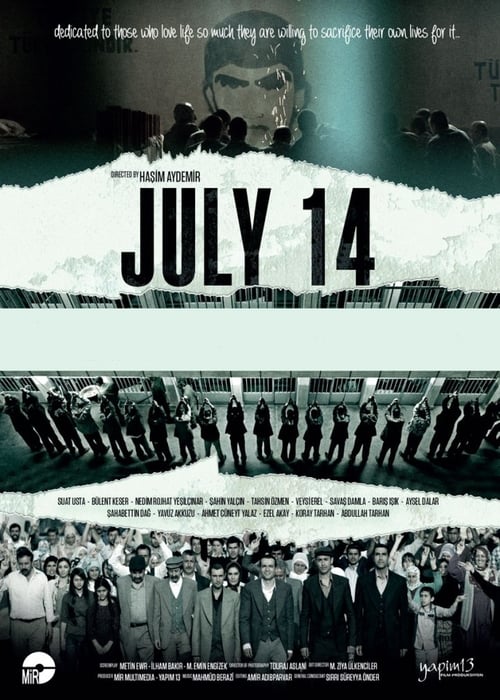
July 14
2017
No user ratings available yet
Representation score: 6.0 out of 10
Representation Score
Fair
1998
Director
Reis Çelik
Runtime
105 minutes
Average Rating
No ratings yetNew Showbiz Analysis
Hoşçakal Yarın is a historical drama that stands out for its localized, anti-authoritarian perspective. By focusing on the 1972 execution of Turkish revolutionaries, the film challenges Western-centric historical narratives and critiques state power. However, the film’s diversity is limited by its narrow demographic focus. The narrative is heavily centered on a male-dominated political struggle, leaving little room for gender diversity or LGBTQ+ representation. Ultimately, the film succeeds as a culturally specific critique of fascism, even if it lacks breadth in terms of identity-based representation.
Category Breakdown
The film focuses on a group of male revolutionaries without showing any same-sex relationships or non-cisgender narratives. There is no depiction of queer identities or intimate relationships between men.
The story centers on a male-dominated political sphere involving three comrades. It lacks evidence of women taking significant roles or challenging traditional gender hierarchies.
The narrative prioritizes local Turkish identity and historical struggles. This focus on a localized conflict challenges Western-centric historical storytelling and Anglo-centric perspectives.
The film strongly criticizes institutional power and state authority. It portrays the military junta as an oppressive force, emphasizing ideological resistance over social stability.
There is no evidence of characters with visible or invisible disabilities within the narrative.
Present on Screen
Limited or Absent
Official Synopsis
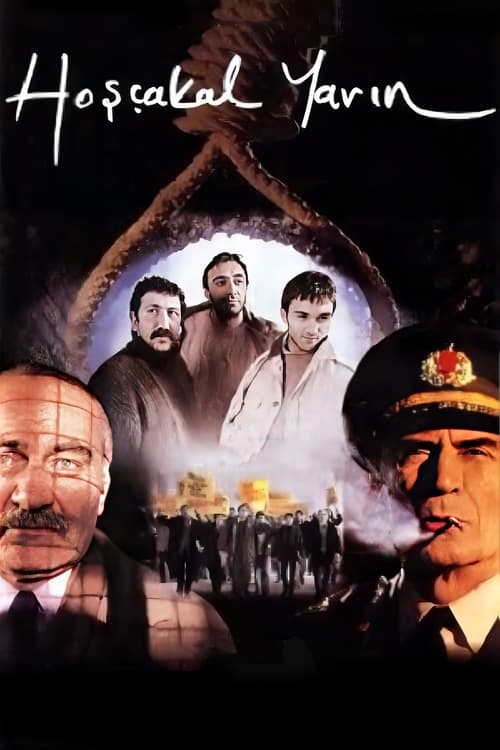
This movie is about Deniz Gezmis and his two comrades. They were three revolutionary activist has been executed by military fascist junta in 1972.
2017
1982
2015

2006
2010
2013

1978
1994
No reviews yet. Be the first to share your thoughts on this movie!
Use the rating form above to leave a star rating and optional review.