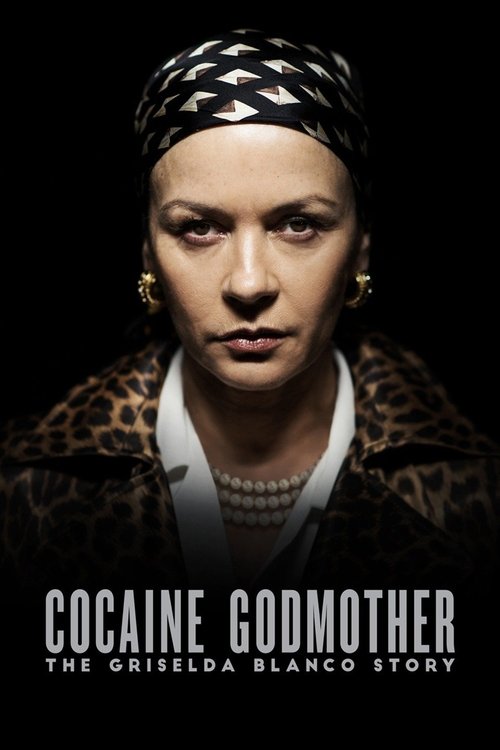
Cocaine Godmother
2017
No user ratings available yet
Diversity score: 5.9 out of 10

2014
Director
Khoa Do
Runtime
92 minutes
Average Rating
No ratings yetSynopsis
A 27-year-old beauty school dropout, Schapelle, was arrested at Bali airport with 4.2kg of marijuana. At first, her arrest was barely noticed by the media, but it soon sparked a frenzy and attracted a frantic cast of characters.
Overall Score
Fair
Category Breakdown
LGBTQ+ Representation
The film lacks LGBTQ+ characters or explorations of non-cisnormative identities. The narrative focuses strictly on the biographical legal struggle and its immediate familial repercussions.
Gender Representation
The story centers on a female protagonist, prioritizing her emotional resilience over traditional male-led legal drama tropes. However, the family unit remains tied to conventional domestic structures.
Racial & Ethnic Diversity
While the lead cast is predominantly white, the film explores friction between Western citizens and Indonesian legal sovereignty. It highlights post-colonial tensions and the clash of cultural norms.
Religious & Cultural Diversity
The film critiques Western institutional stability and the reliability of media. It portrays the intersection of Western celebrity culture and foreign legal systems as a site of systemic dysfunction.
Disability Representation
There is no significant representation of characters with visible or invisible disabilities. The narrative focuses on psychological legal tolls rather than neurodivergent or physical disability perspectives.
Strengths
Areas for Improvement
AI Analysis
Schapelle functions as a critique of systemic scrutiny and the volatility of public perception. It avoids the standard true crime biopic tropes by focusing on the cultural chaos following the arrest rather than the crime itself. The film's primary strength is its deconstruction of institutional certainty and Western media authority. It uses the geopolitical setting to challenge the perceived infallibility of Western legal perspectives. However, the film lacks demographic breadth. The central cast is not highly diverse, and the narrative does not engage with LGBTQ+ or disability-related perspectives, limiting its overall inclusivity.
No reviews yet. Be the first to share your thoughts on this movie!
Use the rating form above to leave a star rating and optional review.