
The Arrival of Joachim Stiller
1976
No user ratings available yet
Diversity score: 4.1 out of 10
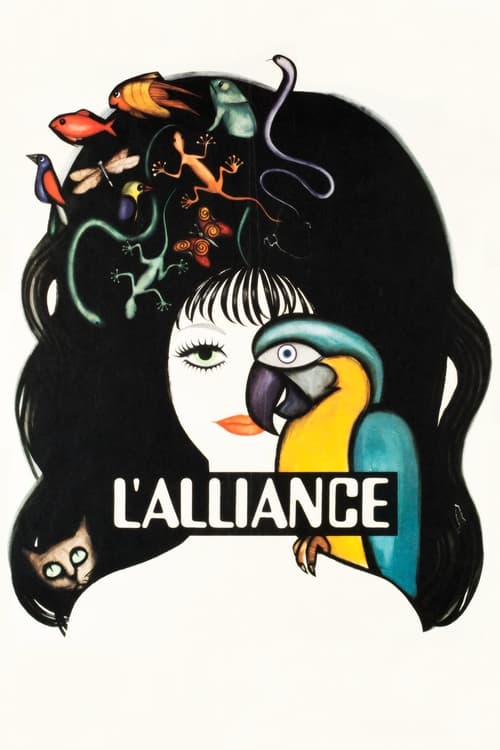
1971
Director
Christian de Chalonge
Runtime
90 minutes
Average Rating
No ratings yetSynopsis
A vet tries to create his own Garden of Eden
Overall Score
Fair
Category Breakdown
The film lacks explicit non-cisnormative identities or same-sex intimacy. Sexual tensions are framed strictly through a heteronormative lens between a man and a woman.
The narrative centers female subjectivity and sexual autonomy. The protagonist's navigation of desire disrupts conventional feminine passivity and challenges male-dominated social orders.
The cast is largely homogeneous, reflecting the localized, agrarian context of rural France. There is no evidence of diverse ethnic integration.
The film critiques rigid community structures through moral relativism. It focuses on the subversion of social norms and the breakdown of domestic boundaries.
There is no discernible focus on physical or neurodivergent disabilities. Disability is not utilized as a central narrative device or plot catalyst.
Strengths
Areas for Improvement
Score Reasoning
The Wedding Ring functions as a psychological character study that prioritizes individual autonomy over traditional social stability. Its primary strength lies in its subversion of gendered expectations, granting the female protagonist significant psychological agency. However, the film remains limited by the demographic realities of its 1971 French setting. The lack of racial and LGBTQ+ intersectionality keeps the overall diversity score low, as the narrative adheres to the homogeneous norms of its period. Ultimately, the film is a study of human transgression rather than a diverse ensemble piece. It succeeds in deconstructing domestic hierarchies but fails to represent a broad spectrum of identities.
1976
1974

1984

1952

1963

1961
1937

1960

1941

1944
1964

1960
No reviews yet. Be the first to share your thoughts on this movie!
Use the rating form above to leave a star rating and optional review.