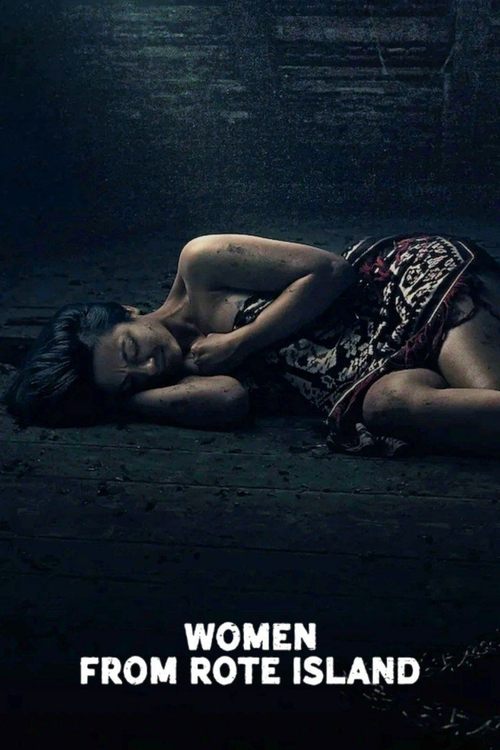
Women from Rote Island
2024
No user ratings available yet
Representation score: 8.8 out of 10
Representation Score
Excellent
2025
Director
Mouly Surya
Runtime
107 minutes
Average Rating
No ratings yetNew Showbiz Analysis
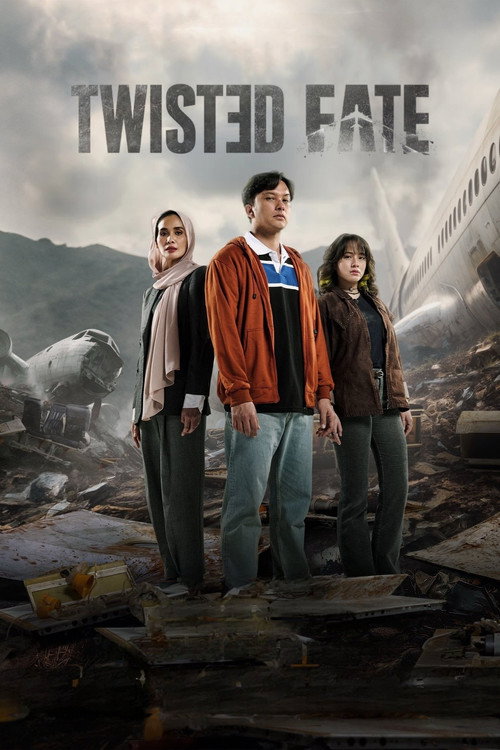
Twisted Fate shifts the disaster genre away from male-centric heroism toward a localized, female-driven exploration of grief and accountability. By focusing on the emotional weight carried by women like Rawa and Dita, the film prioritizes complex interpersonal dynamics over traditional action clichés. The production benefits from a strong Indonesian cast, providing a culturally specific lens that avoids Western-centric storytelling. This grounding in a specific regional context adds depth to the themes of systemic failure and survival. While the film offers significant opportunities to explore trauma and ability to act, certain areas like LGBTQ+ representation remain unconfirmed. The strength of the film lies in its potential to handle psychological and physical disability with nuance.
Category Breakdown
The narrative focuses on the aftermath of a tragedy and interpersonal conflicts. There is no explicit mention of LGBTQ+ characters or non-straight relationships.
The film centers on female perspectives and emotional labor during a crisis. Women like Rawa and Dita drive the conflict and explore their roles during a disaster.
A predominantly Indonesian cast provides a non-Western centered narrative. This localized approach explores grief within a specific cultural context.
The story examines systemic failure and legal accountability after an airplane crash. It delves into complex ethical issues and the tension between individual trauma and collective grief.
Rawa is a survivor with physical injuries and trauma. This allows for exploration of both visible physical disabilities and invisible psychological challenges like PTSD.
Present on Screen
Limited or Absent
Official Synopsis
Rawa, the only surviving passenger with injuries and trauma, must face the grief of Zahra, the pilot’s daughter, as well as the anger of Dita, the wife of a passenger who questions: “Why wasn’t it her husband who survived?”
2024
2005

2020

2019
2022
2017
2021

2017
No reviews yet. Be the first to share your thoughts on this movie!
Use the rating form above to leave a star rating and optional review.