Slowdive: Souvlaki
2015
No user ratings available yet
Representation score: 2.0 out of 10
Representation Score
Limited
2017
TV-MADirector
Grant McPhee
Runtime
109 minutes
Average Rating
No ratings yetNew Showbiz Analysis
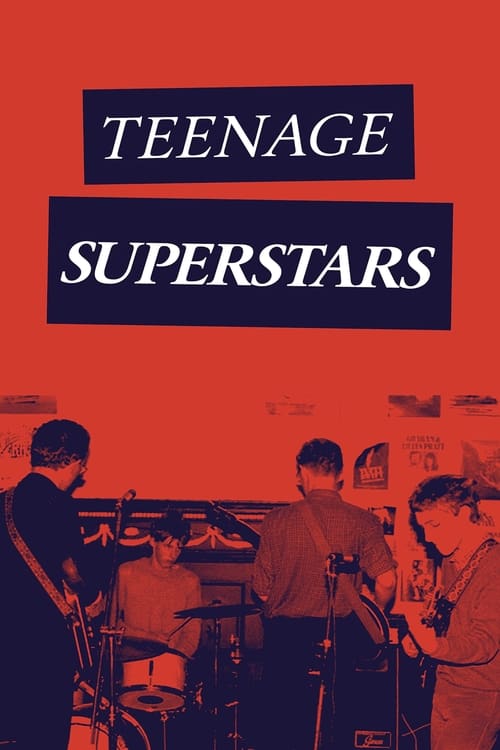
Teenage Superstars serves as a specialized chronicle of subcultural history, prioritizing niche, non-conformist movements over polished industry narratives. Its strength lies in disrupting mainstream cultural hierarchies by celebrating localized, DIY identities. However, the film's demographic scope is limited by its historical focus. The representation is largely homogeneous, reflecting the specific social constraints and lack of diversity inherent in the 1980s Scottish indie scene. Ultimately, the documentary functions as a successful counter-narrative to corporate music history, even if it lacks broad demographic variety or explicit focus on underrepresented identities.
Category Breakdown
The film captures the fluid social dynamics and non-traditional gender expressions of the indie-pop era. While it lacks centralized queer narratives, the archival footage reflects the subculture's departure from straight-centered standards.
The narrative focuses on a male-dominated landscape but avoids hyper-masculine rock clichés. It highlights the collaborative, sensitive nature of the DIY movement, though women often occupy supporting cultural roles.
The documentary depicts a relatively homogeneous demographic centered on a specific regional explosion. It reflects the historical lack of racial diversity within the localized Scottish indie scene.
The film excels by prioritizing underground, non-commercial DIY ethics over corporate structures. It celebrates artistic rebellion and niche creative expression as a valid counter-narrative to mainstream industry standards.
There is no significant evidence regarding the portrayal of visible or invisible disabilities within the documentary's subject matter.
Present on Screen
Limited or Absent
Official Synopsis
Grant McPhee's sequel to Big Gold Dream picks up where the previous film left off, and continues its thrilling tour of the pre-Britpop, Scottish music scene. It features bands, such as The Bluebells, The Pastels, The Soup Dragons and an early incarnation of Teenage Fanclub; plenty of rich archive footage; and fascinating interviews with some of the key people of the time, including Edwyn Collins, Bobby Gillespie, Jim Reid, Sean Dickson, Eugene Kelly and Alan McGee.
2015
2016
2015
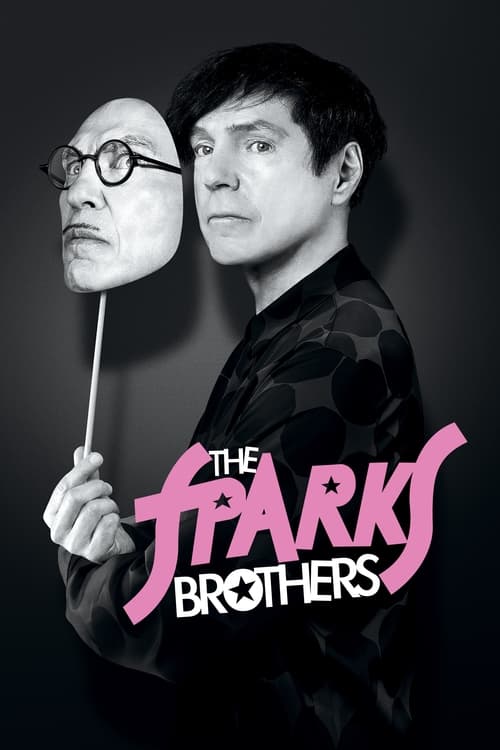
2021
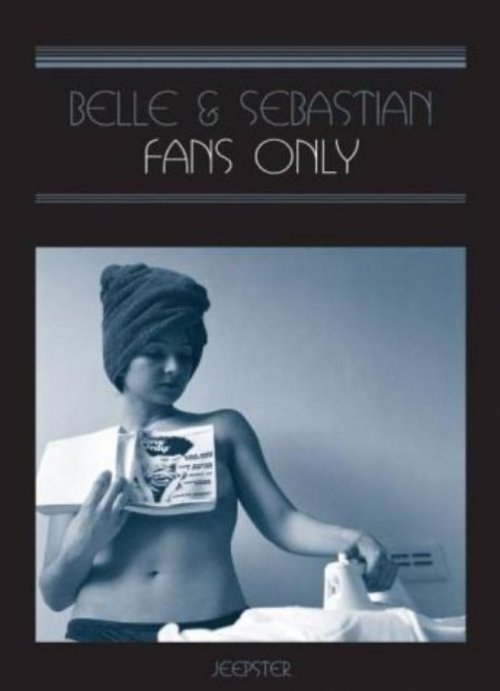
2003
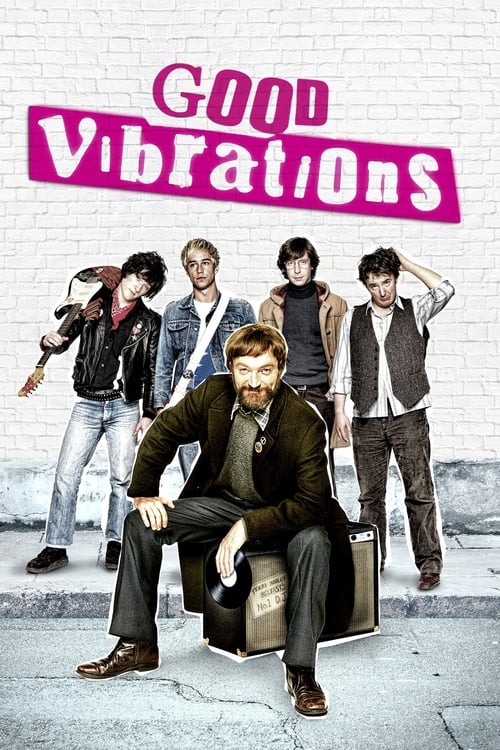
2012
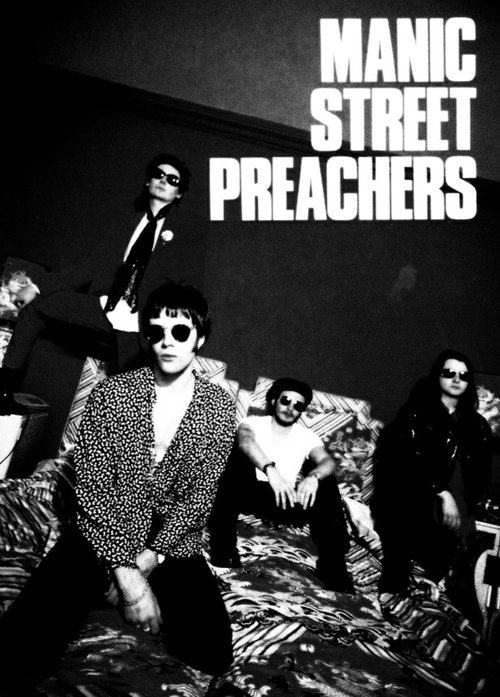
2015
2021
No reviews yet. Be the first to share your thoughts on this movie!
Use the rating form above to leave a star rating and optional review.